



WILDFIRES
Wildfire smoke triggers air quality alerts in multiple states
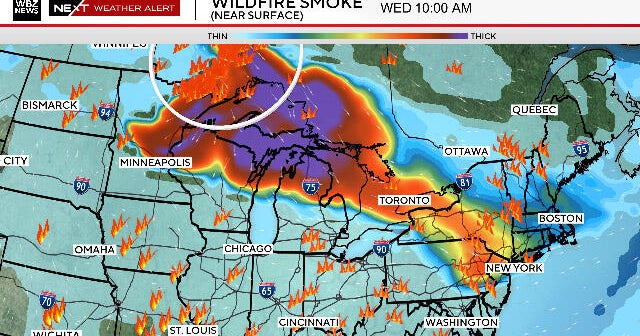
Smoke from major wildfires, especially in Ontario and Canada’s west, has drifted into southern Ontario and many U.S. states, creating widespread haze and poor air quality.
Smoke from major wildfires, especially in Ontario and Canada’s west, has drifted into southern Ontario and many U.S. states, creating widespread haze and poor air quality.
Corroboration
LowMedHigh






Confirmed by 48+ sources.
What This is
- Smoke from major wildfires, especially in Ontario and Canada’s west, has drifted into southern Ontario and many U.S. states, creating widespread haze and poor air quality.
- Toronto has faced very poor air for days as smoke from northwestern Ontario fires turned skies orange or yellow and pushed health-risk readings to very high levels at times.
- Officials say Canada has more than 830 active wildfires, with over 100 listed as out of control, and the smoke can travel long distances from these blazes.
- Some northern Ontario communities have been evacuated as fires threatened towns and First Nations, and rail service near Armstrong was suspended after a train crew was trapped by flames.
- U.S. states from Minnesota and Michigan to New York, New England, Pennsylvania, Connecticut, and New Jersey issued air-quality alerts as PM2.5 pollution reached unhealthy or worse levels in places.
- Many agencies warned that even healthy people can be affected, with higher risk for children, older adults, pregnant people, outdoor workers, and people with heart or lung disease.
- Cities cancelled or changed outdoor activities, including pool and program closures in the Toronto area and a pause in Niagara Falls nightly fireworks until air improves.
- Guidance has focused on reducing smoke exposure by staying indoors, closing windows, running air conditioning on recirculate, using HEPA filtration, and wearing well-fitted N95-type masks if outside.
- Forecasters say smoke may linger for days in some places, with improvement tied to shifting winds, storms, or incoming high pressure later in the week.
Why This Matters
- Wildfire smoke turns a distant fire into a local health emergency, including for people far from flames.
- Fine-particle pollution can worsen asthma and heart disease, and it can raise medical visits and missed work even during short events.
- The overlap of extreme heat and smoke reduces safe options, since many people cannot easily cool down outdoors or ventilate homes.
- Event cancellations and travel disruptions show how smoke can quickly affect daily life and local economies.
- Repeated smoke seasons raise questions about preparedness, from clean-air shelters to better indoor filtration in homes, schools, and workplaces.