



WILDFIRES
Washington state fires destroy hundreds of structures, forcing thousands of evacuations
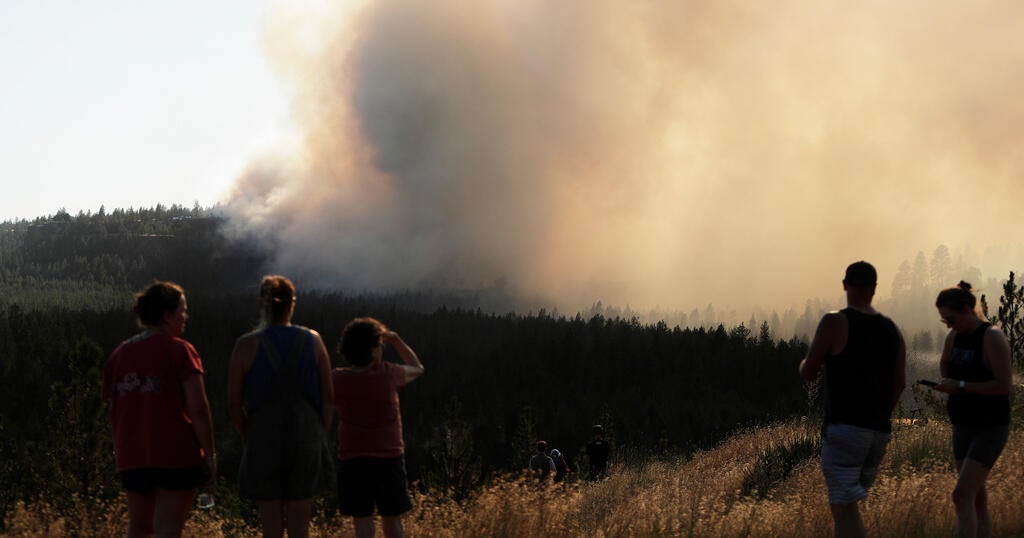
Several fast-moving wildfires around Spokane, including the Old Trails Fire, have forced evacuations as flames spread into neighborhoods and jumped the Spokane River.
Several fast-moving wildfires around Spokane, including the Old Trails Fire, have forced evacuations as flames spread into neighborhoods and jumped the Spokane River.
Corroboration
LowMedHigh






Confirmed by 30+ sources.
What This is
- Several fast-moving wildfires around Spokane, including the Old Trails Fire, have forced evacuations as flames spread into neighborhoods and jumped the Spokane River.
- Officials say more than 600 homes, businesses, and other structures have been damaged or destroyed, and the total could rise as assessment teams survey burned areas.
- Fire officials have reported zero containment for key Spokane-area fires as crews face strong winds, very hot temperatures, and red-flag warnings for extreme fire weather.
- Washington Gov. Bob Ferguson declared a statewide emergency and issued a burn ban as the state mobilized more firefighting resources, including the National Guard.
- Smoke and poor air quality have raised health concerns, and officials have advised people to limit outdoor activity in affected areas.
- Officials are investigating what started the Old Trails Fire as extreme heat and dry conditions continue to raise wildfire risk across the region.
Why This Matters
- Large evacuations and home losses can reshape whole communities, including where people live and how they rebuild.
- Heavy smoke creates immediate health risks, especially for people with asthma, heart disease, or limited access to clean indoor air.
- Power shutoffs show the tradeoff between keeping electricity on and preventing new fires during dangerous wind events.
- A statewide emergency can shift funding, staffing, and equipment toward firefighting, which can leave fewer resources for other local needs.
- Reports linking conditions to heat, drought, and low snowpack raise pressure to adapt as longer fire seasons become more common.