



IRAN
United States and Iran near deal to end hostilities including Strait of Hormuz
The United States and Iran are negotiating a mediated memorandum of understanding to end hostilities, reopen the Strait of Hormuz, and set terms for follow-on talks.
The United States and Iran are negotiating a mediated memorandum of understanding to end hostilities, reopen the Strait of Hormuz, and set terms for follow-on talks.
Corroboration
LowMedHigh






Confirmed by 78+ sources.
What This is
- The United States and Iran are negotiating a mediated memorandum of understanding to end hostilities, reopen the Strait of Hormuz, and set terms for follow-on talks.
- Draft terms described by U.S. officials include destroying or removing Iran’s highly enriched uranium and dismantling nuclear-enrichment infrastructure under international monitoring and inspections.
- The proposed framework links phased sanctions relief and access to frozen Iranian funds to verified Iranian compliance, though exact sequencing is disputed in public accounts.
- Pakistan’s prime minister says the U.S. and Iran have agreed on the wording of an initial text and that mediators are working on final steps, with signing discussed as possibly imminent.
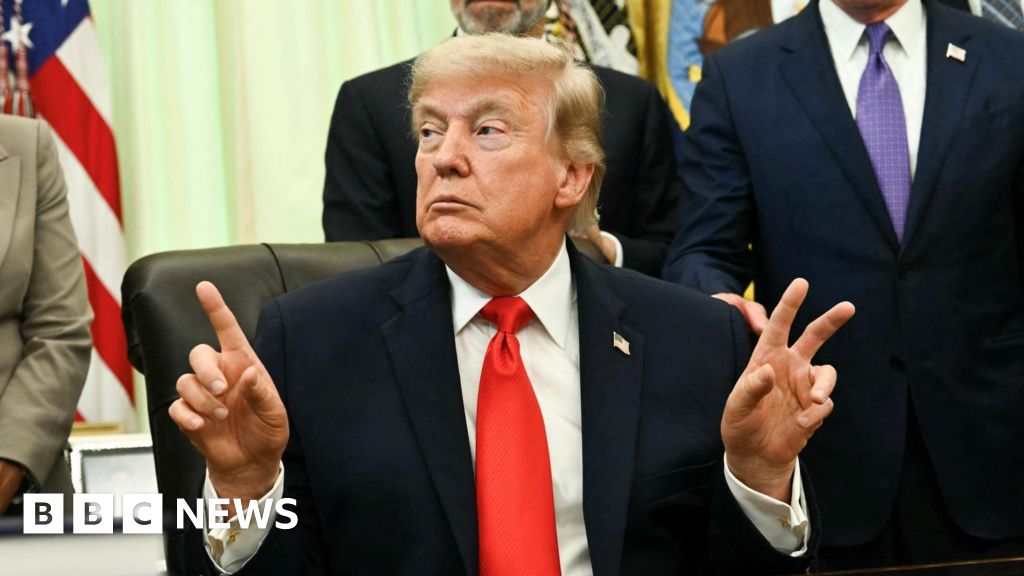
- President Trump says he canceled planned strikes and that a signing could happen soon, while Iranian state-linked media and officials say no final agreement has been concluded.
- A central goal is restoring safe maritime traffic through the Strait of Hormuz, but shipping remains constrained and risky, with some oil moving via escorted or “dark” tankers even before any formal reopening.
- Financial markets and oil prices have swung sharply on peace-deal signals, with stocks rising and crude falling when de-escalation appears more likely and vice versa when strikes resume.
- The war and blockade have intensified economic strain inside Iran, including business closures, job losses, high food inflation, and a weakening currency alongside unrest and arrests.
Why This Matters
- Reopening the Strait of Hormuz matters because disruptions there quickly raise global energy costs and spill over into inflation, interest rates, and consumer budgets.
- Any nuclear-related commitments and inspection rules affect how credibly the deal can reduce proliferation risks and prevent future escalation.
- The sequencing of sanctions relief and frozen funds shapes leverage and trust, influencing whether the agreement becomes durable or collapses into renewed fighting.
- Regional security arrangements and Gulf states’ diplomacy may shift after the war, changing the balance between U.S. protection, local defenses, and engagement with Iran.