



IRAN
United States and Iran conduct strikes and negotiate over the Strait of Hormuz
The United States and Iran are trying to keep a fragile pause in fighting while negotiating rules for shipping through the Strait of Hormuz.
The United States and Iran are trying to keep a fragile pause in fighting while negotiating rules for shipping through the Strait of Hormuz.
Corroboration
LowMedHigh






Confirmed by 68+ sources.
What This is
- The United States and Iran are trying to keep a fragile pause in fighting while negotiating rules for shipping through the Strait of Hormuz.
- Talks are indirect in Doha, with Qatar and Pakistan shuttling messages, and another round is expected after Iran’s late leader’s funeral.
- A June memorandum set a 60-day window to negotiate a broader deal and included steps tied to shipping access and financial incentives.
- A central dispute is Iran’s demand to control transit routes and later charge passage or service fees, which the U.S. treats as a red line.
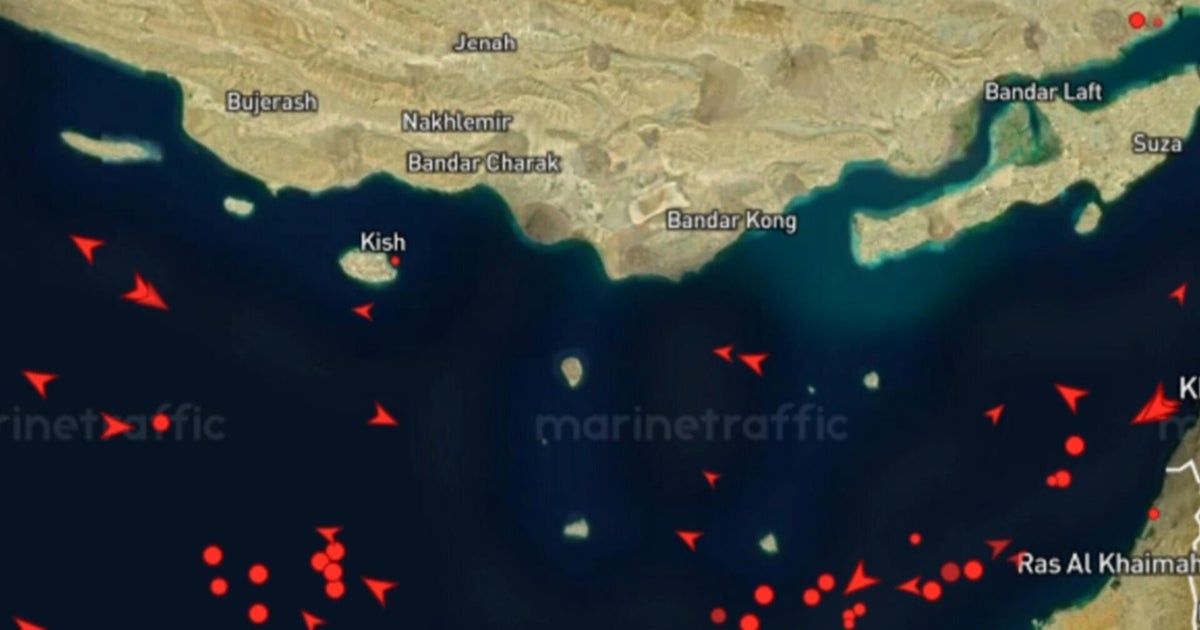
- Iran’s military has warned oil tankers to use Tehran-approved routes in the strait and threatened a forceful response for deviations.
- Both sides have traded attacks around the Gulf and the strait during the ceasefire period, including U.S. retaliatory strikes after ship attacks.
Why This Matters
- The Strait of Hormuz is a choke point, so new rules or fighting can quickly raise energy and shipping costs worldwide.
- If Iran can set routes or charge fees, it would change long-standing expectations of open passage and may reshape how international waterways are policed.
- Releasing frozen Iranian funds tests whether economic incentives can reduce violence, or whether they create leverage and arguments over compliance.
- The stop-start ceasefire shows how easily limited strikes can restart a wider conflict even while diplomacy continues.