



IRAN
UN mission links two U.S. strikes in Iran to at least 178 civilian deaths
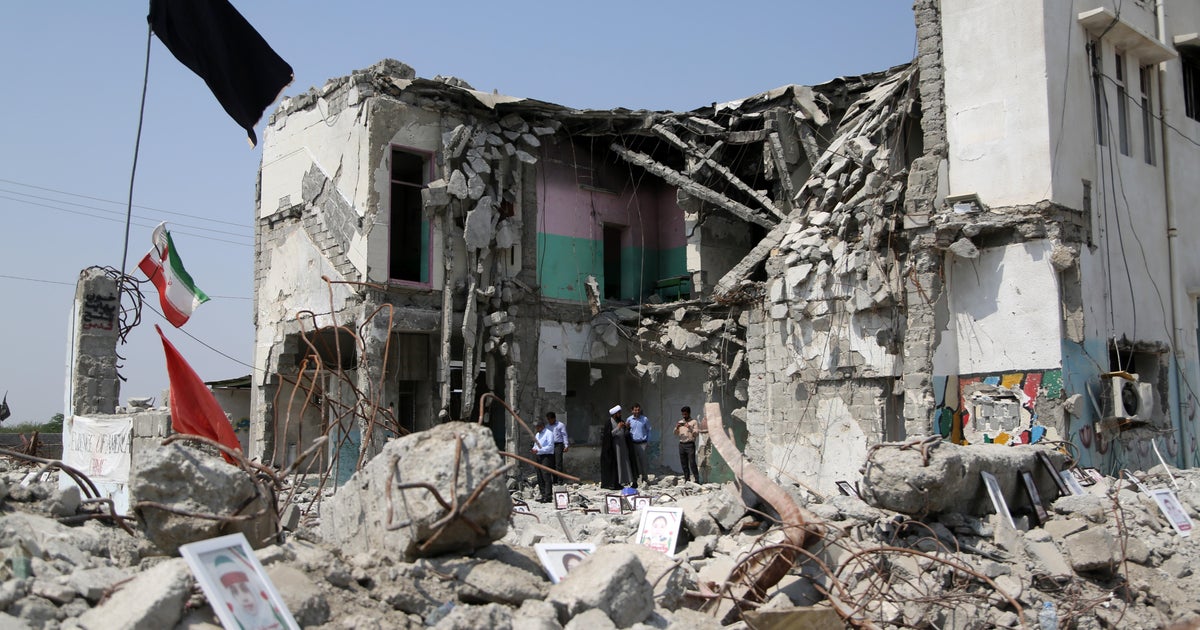
A UN-backed fact-finding mission says there are reasonable grounds to believe two February 28 U.S. strikes in Iran—on a primary school in Minab and a sports complex in Lamerd—were indiscriminate, killed civilians, and may be war crimes, while U.S. officials dispute key claims.
A UN-backed fact-finding mission says there are reasonable grounds to believe two February 28 U.S. strikes in Iran—on a primary school in Minab and a sports complex in Lamerd—were indiscriminate, killed civilians, and may be war crimes, while U.S. officials dispute key claims.
Corroboration
LowMedHigh






Confirmed by 24+ sources.
What This is
- A UN-backed fact-finding mission said it found reasonable grounds to believe the February 28 strikes in Minab and Lamerd were indiscriminate attacks amounting to war crimes.
- The mission said the two strikes killed at least 178 civilians, including many children.
- More than 150 people died at the Minab primary school, including approximately 120 children, according to the mission.
- The mission said the Minab school was identifiable as a civilian building and that U.S. forces failed to verify its status before striking it.
- At Lamerd, the mission said missiles scattered tungsten pellets over a sports complex and residential area, killing 22 civilians.
- U.S. Central Command has denied responsibility for at least one of the strikes, and the U.S. has not publicly accepted responsibility for the school attack.
- In the same report, the mission found that Iranian authorities committed crimes against humanity during their crackdown on protests, including unlawful killings, torture, and arbitrary detention.
Why This Matters
- War-crimes allegations test whether powerful militaries are held to the same rules on protecting civilians as other states.
- If credible evidence shows civilians were unlawfully harmed, it can strengthen calls for international investigations and deepen diplomatic isolation.
- Disputes over who was hit and why can fuel escalation, because each side uses civilian deaths to justify retaliation and reject outside pressure to stop fighting.
- The same UN reporting also highlights Iran’s repression at home, shaping how foreign governments weigh pressure on Tehran against fears of a wider war.