



RUSSIA UKRAINE
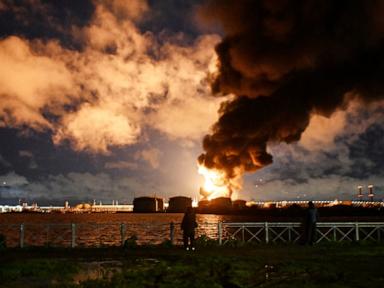
Ukrainian drones strike oil plant in St. Petersburg amid Trump's claims of negotiating peace
Ukraine launched a large overnight drone attack on targets around St. Petersburg, hitting oil and other facilities and causing casualties and disruptions, as Russia reported intercepting more than 1,000 drones and the strikes fed new tensions with President Donald Trump over energy attacks and talks.
Ukraine launched a large overnight drone attack on targets around St. Petersburg, hitting oil and other facilities and causing casualties and disruptions, as Russia reported intercepting more than 1,000 drones and the strikes fed new tensions with President Donald Trump over energy attacks and talks.
Corroboration
LowMedHigh






Confirmed by 39+ sources.
What This is
- Ukraine launched one of its largest drone attacks of the war, sending more than 1,000 drones toward Russian territory.
- Russia said its air defenses destroyed or intercepted about 1,015 Ukrainian drones across multiple regions, as well as over Crimea and the Black Sea.
- Russian officials said drones hit an oil export terminal and other fuel depots in St. Petersburg, sparking major fires.
- Russian authorities reported at least one death and several injuries linked to the attack in and around St. Petersburg.
- Ukraine said it resumed or planned further strikes on Russian oil facilities after continued Russian attacks on Ukraine’s energy system, despite U.S. pressure.
- Ukrainian President Volodymyr Zelenskyy said Kyiv is preparing further diplomatic steps with U.S. envoys and stressed that progress depends heavily on Washington’s position.
- The drone attack added to tensions with the Trump administration, as Trump urged Kyiv to stop hitting Russian energy infrastructure and paused or waived some planned sanctions steps.
Why This Matters
- Deep drone strikes on oil hubs aim to reduce Russia’s fuel output and revenue, and to force Russia to spend more on air defenses far from the front.
- Fighting over an “energy ceasefire” shows how hard it is to keep limits on attacks when both sides hit power and fuel sites and accuse each other of breaking deals.
- Public U.S.-Ukraine tension over sanctions, intelligence support, and attacks on refineries can shape how long Ukraine can sustain long-range strikes and how united its backers remain.