



RUSSIA UKRAINE
Ukrainian drones strike major Russian refinery, setting it ablaze
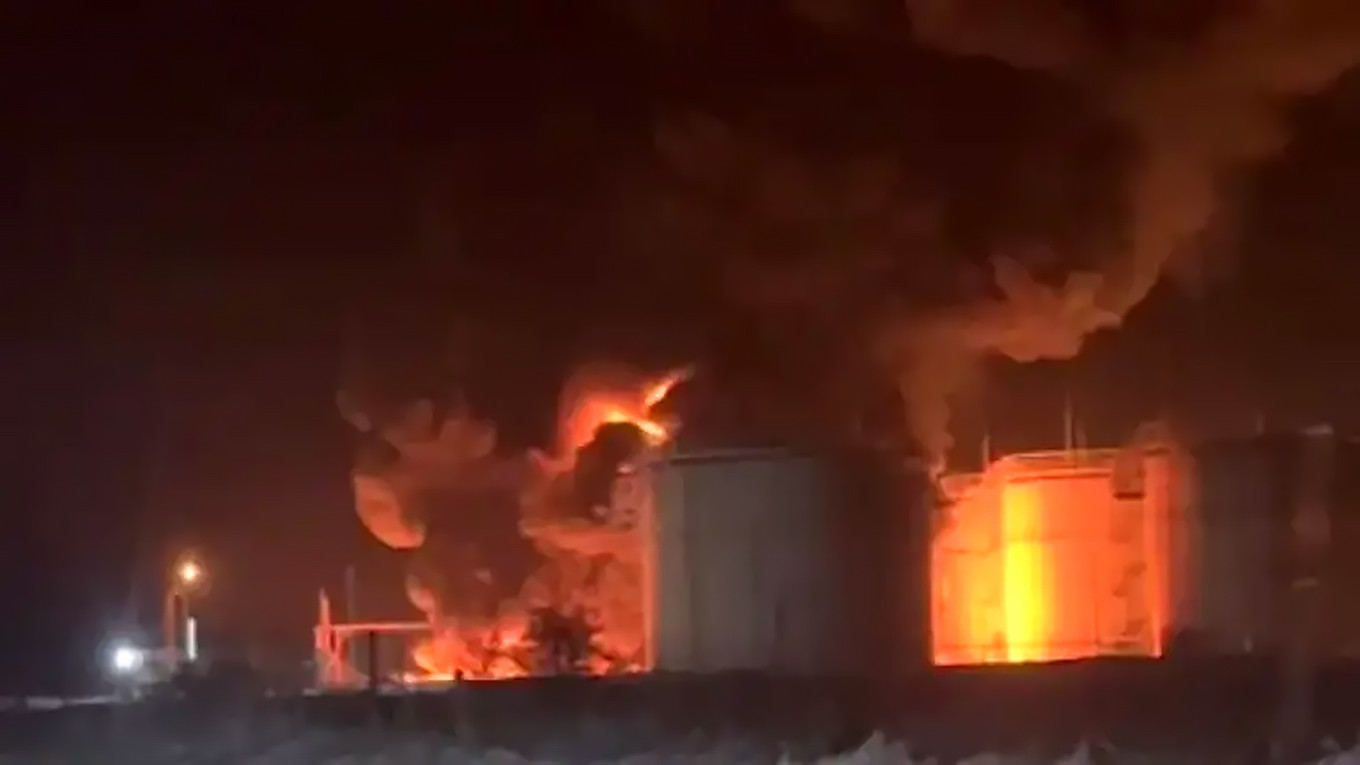
Ukraine says its long-range drones hit the Gazprom Neftekhim Salavat refinery complex in Russia’s Bashkortostan region, sparking a fire far from the border as part of a wider campaign to damage Russia’s oil and fuel system during the war.
Ukraine says its long-range drones hit the Gazprom Neftekhim Salavat refinery complex in Russia’s Bashkortostan region, sparking a fire far from the border as part of a wider campaign to damage Russia’s oil and fuel system during the war.





What This is
- Ukrainian drones hit the Gazprom Neftekhim Salavat oil refining and petrochemical complex in Bashkortostan, Russia, causing a fire.
- The site is about 800 miles (1,300 km) from Ukraine’s border, highlighting Ukraine’s ability to strike deep inside Russia.
- Ukraine has been carrying out near-daily attacks on Russian energy infrastructure as part of a campaign to reduce Russia’s refining capacity and pressure the Kremlin.
- Ukraine says these strikes are meant to cut Russia’s oil-sector income and strain domestic fuel supplies.
- Some reporting says the Bashkortostan fire added to broader disruptions, including damage that contributed to shutdowns at other refineries such as Orsknefteorgsintez in Orenburg.
- Officials and reports tied the wave of refinery attacks to fuel shortages inside Russia.
- Russia has responded with long-range missile and drone attacks across Ukraine that have killed and wounded civilians.
- In some cases, key claims around these strikes have not been independently verified by outside observers.
Why This Matters
- Deep strikes on refineries blur the line between front-line combat and the wider economy, raising the risk of a longer and harder-to-control cycle of retaliation.
- Hitting fuel production aims to reduce the resources Russia can use to fund and supply its war effort.
- As attacks reach farther into Russia, the political pressure on both governments can rise, including demands for stronger air defenses and tougher responses.
- More frequent long-range attacks increase the chance of civilian casualties and damage, sharpening debates about how to limit harm while fighting a war.