



RUSSIA UKRAINE
Ukraine Hits Moscow Oil Refinery in Major Drone Attack
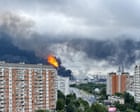
Ukraine launched a large long-range drone assault on Moscow that hit the Kapotnya oil refinery and triggered major fires and widespread disruption.
Ukraine launched a large long-range drone assault on Moscow that hit the Kapotnya oil refinery and triggered major fires and widespread disruption.
Corroboration
LowMedHigh






Confirmed by 43+ sources.
What This is
- Ukraine launched a large long-range drone assault on Moscow that hit the Kapotnya oil refinery and triggered major fires and widespread disruption.
- Russian officials said air defenses intercepted hundreds of drones nationwide and around 180 to nearly 200 near Moscow, though some penetrated and struck the refinery.
- The attack temporarily disrupted air travel, with flight restrictions or suspensions affecting all four major Moscow airports.
- Authorities and media reports described injuries in the Moscow region, with several accounts putting the number of wounded at at least 17.
- Some accounts described “black rain” or oily soot residue falling over parts of Moscow after the refinery fire sent thick smoke across the city.
- Ukraine framed the strike as retaliation for recent Russian attacks and as an effort to damage energy infrastructure that supports Russia’s war effort and logistics.
- The strike fed concerns about fuel supply stress in Russia, with reports of localized shortages, rising prices, rationing in some areas, and government scrutiny of the domestic fuel market.
- Analysts described the operation as a complex raid using multiple drone types, decoys and coordination that strained Moscow’s layered air defenses.
Why This Matters
- Deep strikes near Moscow test whether Ukraine can raise the domestic costs of war inside Russia despite Russia’s larger arsenal.
- Sustained pressure on refineries and transport routes can destabilize fuel supply, pushing price spikes and rationing that strain governance and public compliance.
- Rapid drone and air-defense adaptation rewards innovation and raises escalation risks as both sides expand target sets and retaliation patterns.
- Urban fires and reported civilian casualties intensify legal and moral disputes over proportionality and minimizing harm while pursuing military advantage.