



GOVERNMENT SPENDING
U.S. to issue commemorative passports featuring President Trump's image for America's 250th
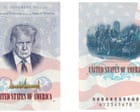
The U.S. State Department plans a limited-edition U.S. passport design for America’s 250th anniversary that includes President Donald Trump’s portrait and signature.
The U.S. State Department plans a limited-edition U.S. passport design for America’s 250th anniversary that includes President Donald Trump’s portrait and signature.
Corroboration
LowMedHigh






Confirmed by 25+ sources.
What This is
- The U.S. State Department plans a limited-edition U.S. passport design for America’s 250th anniversary that includes President Donald Trump’s portrait and signature.
- The commemorative passport is expected to be issued starting this summer, with many reports placing the initial availability shortly before the Fourth of July.
- Initial distribution is tied to in-person applicants at the Washington, D.C., passport office (the Washington Passport Agency), while supplies last.
- CBS News reports the commemorative design would be the default option at the Washington Passport Agency without an added fee.
- Mockups place Trump’s likeness on the inside cover alongside Declaration of Independence text and other patriotic anniversary imagery.
- Several reports describe the initial print run as about 25,000–30,000 passports, though the State Department has disputed at least one specific figure.
- The State Department has emphasized that the commemorative passport will retain standard passport security features.
- The passports are part of a broader set of 250th-anniversary commemoratives that also include Trump-linked designs such as a national parks pass and a coin.
Why This Matters
- Using a passport for political-themed commemoration can reshape expectations about whether core identity documents should remain institutionally neutral.
- A limited, location-based rollout raises fairness and legitimacy questions when access to a government benefit depends on geography and timing.
- Even small redesign projects consume public procurement and staff capacity, forcing tradeoffs against faster service, fraud prevention, and technology modernization.
- If the design becomes a precedent, future administrations may intensify personalization of government programs, increasing polarization and reducing trust in public institutions.