



FOREIGN AFFAIRS
U.S. tariffs on Brazil deepen trade and diplomatic tensions
The U.S. will impose 25% tariffs on certain imports from Brazil starting July 22.
The U.S. will impose 25% tariffs on certain imports from Brazil starting July 22.
Corroboration
LowMedHigh





Confirmed by 24+ sources.
What This is
- The U.S. will impose 25% tariffs on certain imports from Brazil starting July 22.
- The U.S. decision follows a yearlong U.S. Trade Representative investigation into what it called unfair Brazilian trade practices.
- The U.S. order was issued under Section 301, a U.S. law tool used to respond to practices the U.S. says are unfair to American businesses.
- The U.S. cited issues including weak anti-corruption enforcement and Brazil’s own tariffs as part of the justification for the new tariffs.
- The U.S. also pointed to disputes over Brazil’s digital and financial rules, including the Pix instant-payments system, and other barriers it says hit U.S. firms.
- U.S. officials said the tariffs are meant to protect U.S. producers and that talks could still resolve the dispute.
- The tariff plan exempts some goods the U.S. says could disrupt supply chains, including coffee, beef, oranges, some energy products, and aerospace parts.
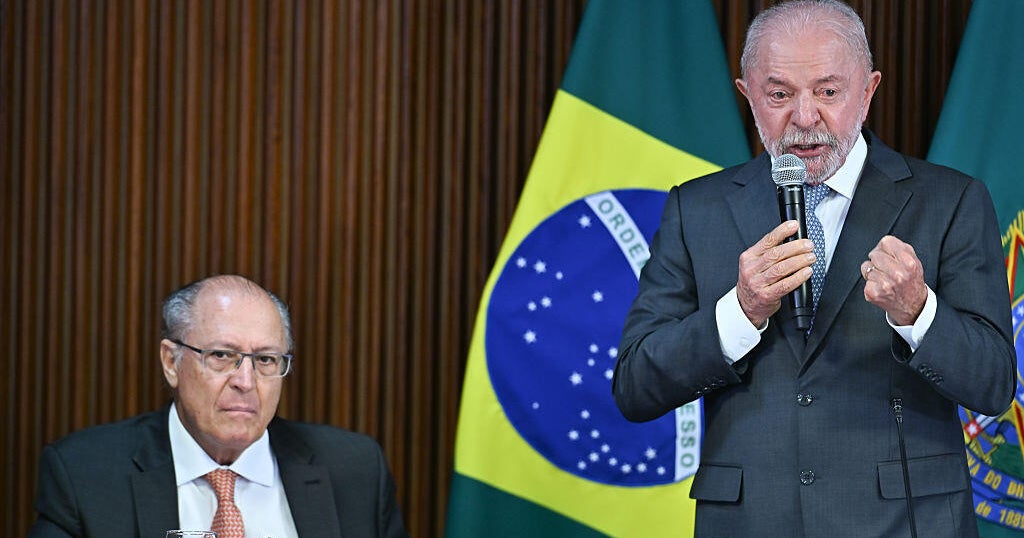
- Brazil’s President Luiz Inácio Lula da Silva criticized the U.S. move as the two countries’ trade and diplomatic tensions rise.
- Brazil has denied wrongdoing and warned it may take reciprocal steps, including possible action at the World Trade Organization.
Why This Matters
- Tariffs can raise prices for U.S. households and businesses that rely on Brazilian imports.
- Brazil may retaliate, which could hit exporters and widen the trade fight.
- Using Section 301 more often can normalize unilateral tariffs instead of negotiated trade rules.
- A public dispute over digital rules like Pix could spill into broader tech policy and diplomacy.