



FOREIGN AFFAIRS
U.S. sanctions International Criminal Court hours after former judge awarded Nobel Peace Prize
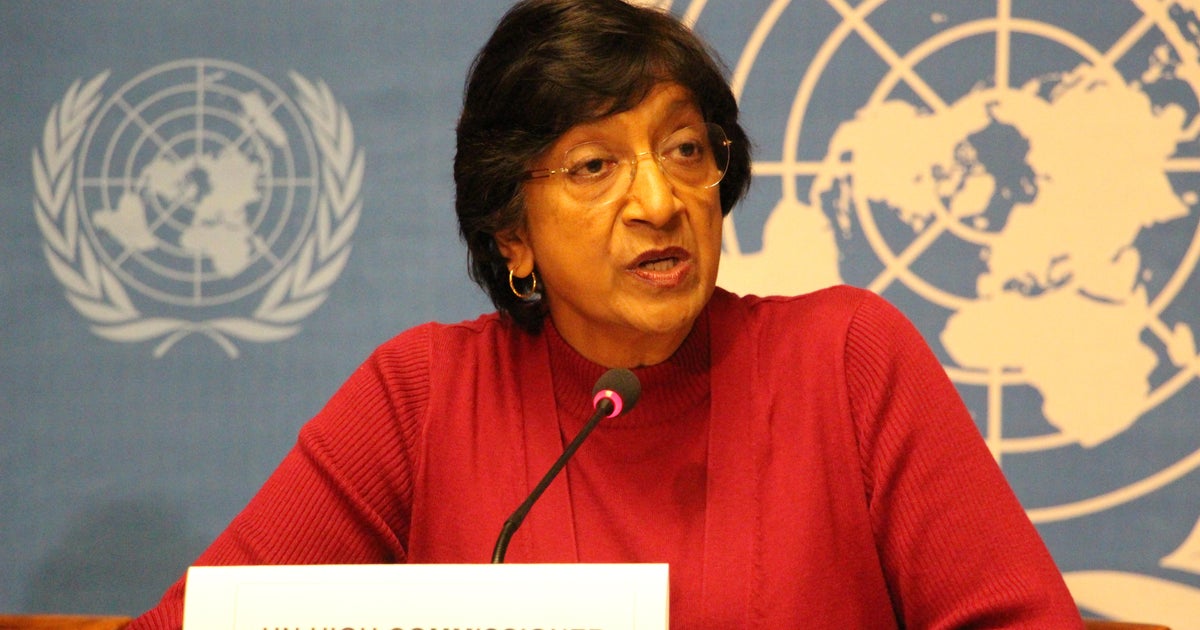
The Trump administration imposed sweeping sanctions on the International Criminal Court, restricting U.S. transactions and services with the tribunal after ICC actions involving Israeli officials and past probes of alleged U.S. abuses, hours after former ICC judge Navi Pillay won the Nobel Peace Prize.
The Trump administration imposed sweeping sanctions on the International Criminal Court, restricting U.S. transactions and services with the tribunal after ICC actions involving Israeli officials and past probes of alleged U.S. abuses, hours after former ICC judge Navi Pillay won the Nobel Peace Prize.
Corroboration
LowMedHigh






Confirmed by 12+ sources.
What This is
- The United States announced broad sanctions on the International Criminal Court that ban transactions and aim to cut off resources used to run the court.
- The measures include blocking any ICC assets in U.S. jurisdictions and giving U.S. companies and individuals time to wind down business with the tribunal.
- U.S. officials said the sanctions respond to what they describe as politicized ICC moves, including an arrest warrant for Israeli Prime Minister Benjamin Netanyahu and a past investigation involving U.S. forces in Afghanistan.
- Secretary of State Marco Rubio said Americans are not subject to the ICC’s jurisdiction, and he framed the sanctions as a way to pressure the court and its member states.
- The ICC condemned the sanctions as an attempt to obstruct justice and an attack on the international rule of law, and it urged member states to help the court keep operating.
- The sanctions were announced hours after the Nobel Committee awarded the 2026 Peace Prize to former ICC judge and human-rights advocate Navanethem “Navi” Pillay.
Why This Matters
- The sanctions test whether major powers can weaken global courts by cutting off money and services.
- They highlight a long-running clash between national sovereignty and international accountability for war crimes.
- They could widen rifts between the United States and European allies that support the court’s work.
- They may affect whether victims of atrocities see cases investigated when suspects are protected by powerful states.