



IRAN
U.S. responds to shipping attacks with Iran strikes and sanctions
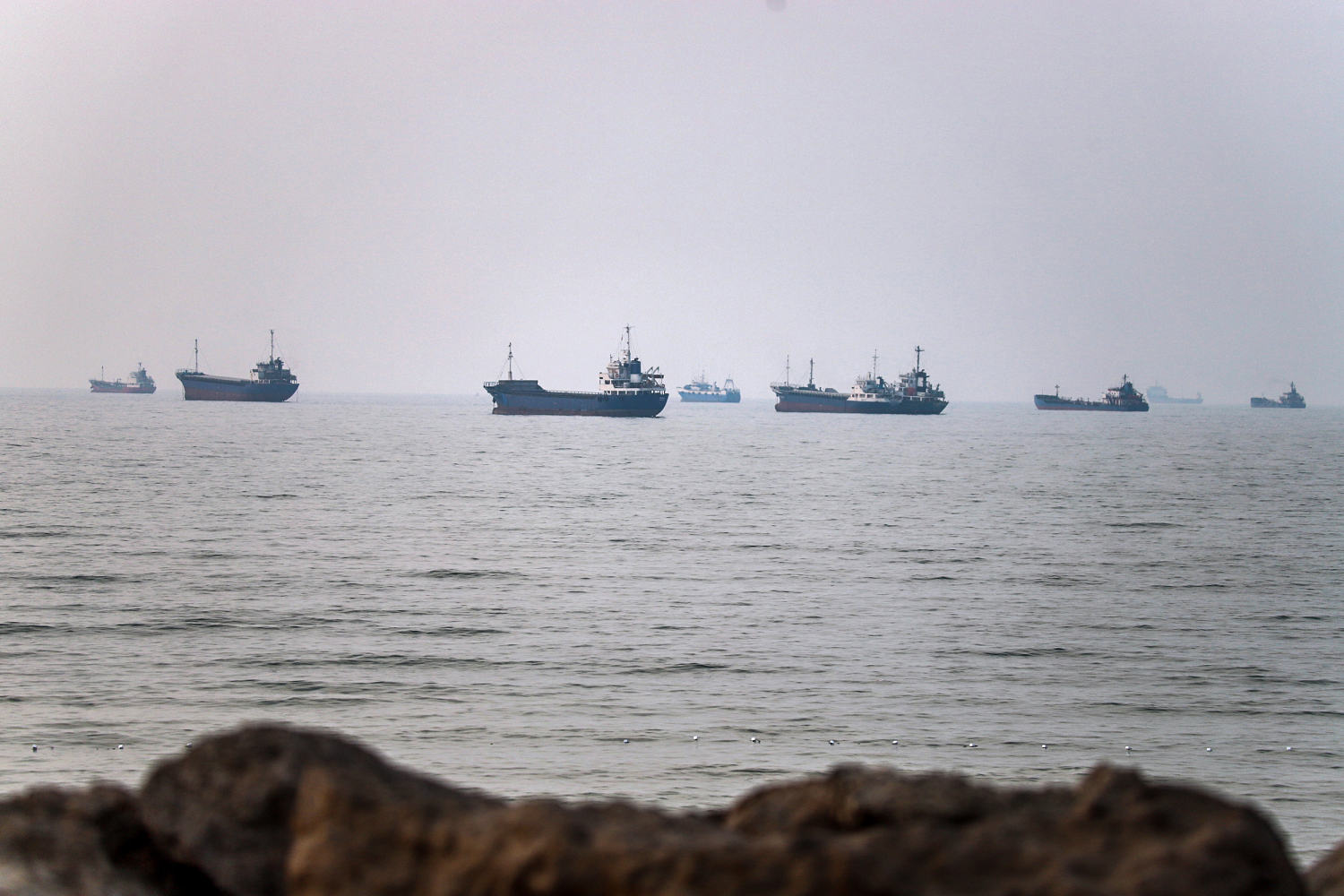
The U.S. struck targets in Iran and tightened oil sanctions after three commercial vessels were attacked in the Strait of Hormuz.
The U.S. struck targets in Iran and tightened oil sanctions after three commercial vessels were attacked in the Strait of Hormuz.
Corroboration
LowMedHigh






Confirmed by 40+ sources.
What This is
- The U.S. struck targets in Iran and tightened oil sanctions after three commercial vessels were attacked in the Strait of Hormuz.
- Iran retaliated with missile and drone strikes on U.S. sites in the Gulf, including Bahrain and Kuwait, and President Trump said the ceasefire was “over” even as he left the door open to talks.
- The U.S. said it hit more than 80 targets, including air defenses, coastal radar, command networks, anti-ship missile sites, and Revolutionary Guard small boats near the Strait of Hormuz.
- Iranian and local media reported explosions near Sirik, Qeshm Island, and Bandar Abbas, while early details on exact U.S. targets were unclear.
- The U.S. revoked a temporary Treasury waiver that had allowed certain Iranian oil sales, and replaced it with a narrower license allowing only a wind-down period until July 17.
- Oil prices rose sharply after the waiver was revoked, adding to fears of wider disruption if the Strait of Hormuz becomes less safe for shipping.
Why This Matters
- This crisis could set the new “rules” for how ships are protected or punished in Hormuz, shaping what armed attacks at sea become acceptable in practice.
- Open U.S.-Iran strikes in the Gulf raise the risk of miscalculation, especially when missiles and drones fly near crowded air and sea routes.
- Sudden swings in oil and gas prices quickly spill into inflation, airline and shipping costs, and government budgets far beyond the Middle East.
- Repeatedly adding and removing oil relief can weaken trust in future deals, making diplomacy harder even when both sides say they want talks.