



IRAN
U.S. prepares broad economic measures targeting Iran
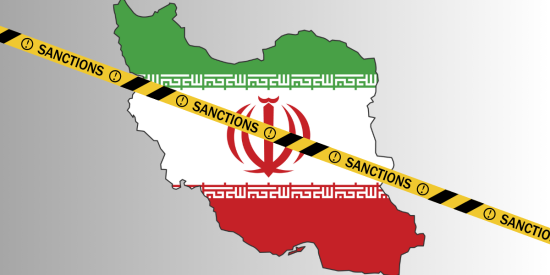
The U.S. says it will expand sanctions and other financial measures on Iran while keeping a naval blockade aimed at pressuring Tehran amid a worsening standoff over shipping and control of the Strait of Hormuz.
The U.S. says it will expand sanctions and other financial measures on Iran while keeping a naval blockade aimed at pressuring Tehran amid a worsening standoff over shipping and control of the Strait of Hormuz.





What This is
- U.S. officials say they will ramp up “unprecedented” economic pressure on Iran as part of a broader effort to isolate Tehran financially.
- Washington also says it can maintain a naval blockade of Iran “indefinitely” by rotating ships.
- The confrontation is closely tied to the Strait of Hormuz, where attacks on vessels and a sharp drop in commercial transits have been reported.
- Iran has used the strait as leverage, linking any easing of restrictions to demands such as sanctions relief, the return of frozen assets, and security guarantees.
- U.S.–Iran talks are described as stalled, with mediation efforts involving Oman and other regional actors mentioned in reports.
- Energy agencies and analysts warn the disruption is tightening global oil supplies, with forecasts of a large drop in daily supply and higher economic strain.
- Reports describe Iran’s economy as under severe stress from sanctions and the blockade, with inflation, rationing, and rising unemployment hitting daily life.
- Iran is exploring ways to reduce isolation, including seeking closer financial cooperation with BRICS and joining the BRICS New Development Bank, though its status is not confirmed.
- Some reporting says Russia is moving supplies to Iran through a Caspian Sea route to bypass pressure in and around Hormuz.
Why This Matters
- The standoff turns the Strait of Hormuz into a global economic pressure point, because even partial disruption can move oil prices and shipping costs worldwide.
- An open-ended blockade raises the risk of miscalculation at sea, where a single clash could widen the conflict and pull in more regional actors.
- Inside Iran, deeper isolation can worsen shortages and poverty, which often increases state coercion and reduces space for dissent or reform.
- If Iran finds alternative finance and supply routes through partners, U.S. sanctions may weaken over time and push rival blocs to build parallel systems.