



ECONOMY
U.S. national debt surpasses $40 trillion
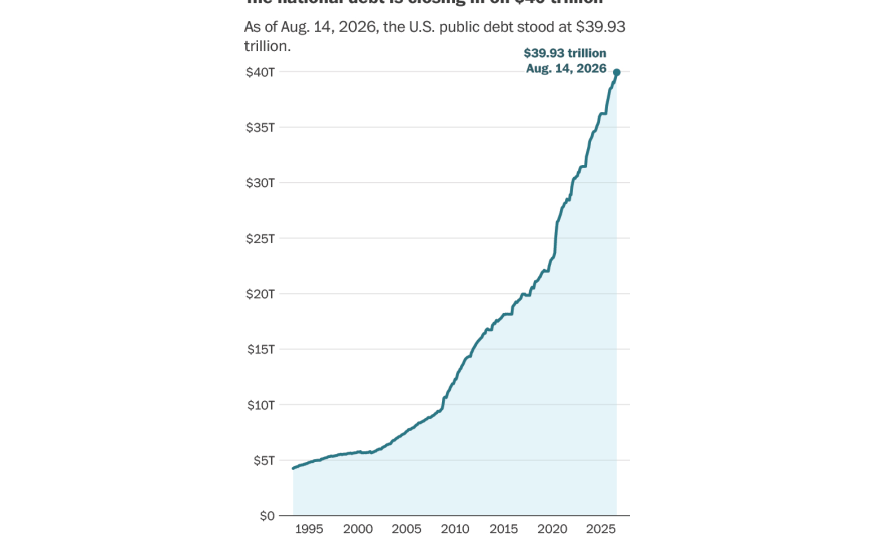
U.S. Treasury data shows the federal government’s total debt has topped $40 trillion for the first time, as years of deficits and rising interest costs add to Washington’s borrowing needs.
U.S. Treasury data shows the federal government’s total debt has topped $40 trillion for the first time, as years of deficits and rising interest costs add to Washington’s borrowing needs.




What This is
- U.S. government debt rose above $40.05 trillion, according to Treasury data.
- Federal debt has more than doubled from about $19.4 trillion a decade ago.
- The debt rose by about $3 trillion over the past year.
- Years of deficits, including pandemic-era stimulus spending, helped drive the increase.
- An aging population is pushing up Social Security and Medicare costs, adding to long-term budget pressure.
- Large tax cuts and big spending packages have also widened deficits over time.
- The Treasury reported a $432.3 billion deficit in July and a year-to-date shortfall near $1.8 trillion.
- Interest costs are approaching $1.2 trillion this year, adding pressure as rates and borrowing costs rise.
- Treasury has increased longer-term bond buybacks to respond to surging yields and higher borrowing costs.
- The Congressional Budget Office projects the debt will keep rising, with total debt estimated at about $63 trillion by 2036.
Why This Matters
- Higher interest bills can crowd out other priorities unless taxes rise or spending falls.
- More federal borrowing can keep upward pressure on interest rates across the economy.
- Large, growing debt can make it harder to borrow in a crisis without spooking investors.
- Because U.S.Treasury debt underpins global finance, worries about U.S. finances can ripple into markets abroad.