



IRAN
U.S.-Iran ceasefire status unclear after exchange of fire in Strait of Hormuz
A fragile U.S.-Iran ceasefire announced on April 8 is under strain after both sides exchanged fire in and around the Strait of Hormuz and accused the other of violating the truce.
A fragile U.S.-Iran ceasefire announced on April 8 is under strain after both sides exchanged fire in and around the Strait of Hormuz and accused the other of violating the truce.
Corroboration
LowMedHigh






Confirmed by 41+ sources.
What This is
- A fragile U.S.-Iran ceasefire announced on April 8 is under strain after both sides exchanged fire in and around the Strait of Hormuz and accused the other of violating the truce.
- U.S. Central Command said Iranian missiles, drones and small boats targeted three U.S. Navy destroyers transiting the strait and that U.S. forces intercepted the attacks with no reported damage to U.S. assets.
- The U.S. military said it carried out retaliatory or self-defense strikes on Iranian military targets linked to missile and drone activity near the strait, including launch sites and command-and-control nodes.
- Iran’s military and state media said U.S. actions broke the ceasefire, including claims that U.S. forces struck an oil tanker or other ships and hit civilian areas along Iran’s coast and islands.
- President Donald Trump said the ceasefire still holds while warning Iran to accept a U.S. peace framework or face renewed and potentially harsher military action.
- Iran is reviewing U.S. proposals conveyed via mediators including Pakistan, with reports describing a short framework linked to sanctions relief, frozen funds, nuclear limits, and restoring safer transit through Hormuz.
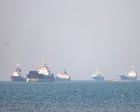
- Iran has moved to formalize control over Hormuz traffic by creating an authority to vet vessels and levy tolls, contributing to a major shipping backlog and legal and economic concerns.
- The disruption has jolted markets, lifting oil prices above $100 at times and supporting demand for safe-haven assets, while countries and firms grapple with higher fuel, insurance, and rerouting costs.
Why This Matters
- The Strait of Hormuz is a core artery for global energy shipping, so even limited clashes can raise fuel costs and inflation risks worldwide.
- A ceasefire that cannot be enforced weakens deterrence and increases miscalculation risk in a crowded waterway where naval incidents can escalate quickly.
- Control measures like vessel vetting and tolls test freedom of navigation norms and can shift the burden onto civilian mariners and commercial insurers.
- Linking maritime security to nuclear and sanctions bargaining creates incentives for coercive leverage, complicating diplomacy and raising the cost of failure.