



ISRAEL PALESTINE
U.S. government designates Palestine Action as a terrorist group
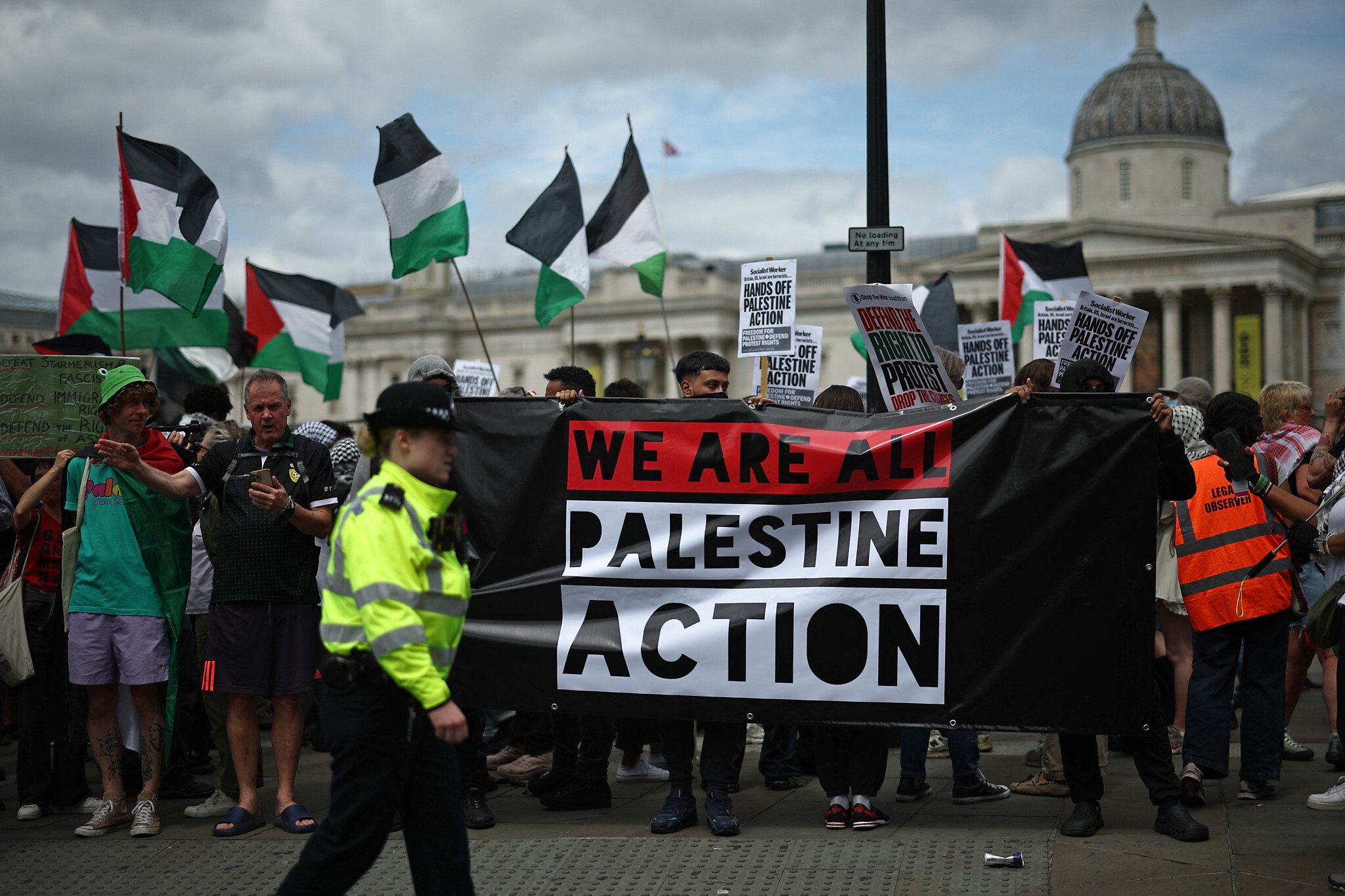
The U.S. Treasury has designated the UK-based protest group Palestine Action as a “specially designated global terrorist,” triggering sanctions that freeze U.S.-linked assets and largely bar Americans from providing funds, services, or business dealings with the group.
The U.S. Treasury has designated the UK-based protest group Palestine Action as a “specially designated global terrorist,” triggering sanctions that freeze U.S.-linked assets and largely bar Americans from providing funds, services, or business dealings with the group.




What This is
- The U.S. Treasury designated the UK-based direct-action group Palestine Action as a terrorist group and imposed sanctions.
- The sanctions generally freeze any U.S.-linked assets and bar U.S. people and entities from giving funds, services, or doing business with the group.
- U.S. authorities also sanctioned Masar Badil and Italy-based Autistici/Inventati as part of the same action.
- U.S. officials said the action targets “far-left” political violence and alleged support for terrorism linked to attacks on defense and military-related infrastructure.
- Palestine Action has targeted Israel-linked defense firms in the UK, especially Elbit Systems, and some activists have faced prosecution and prison sentences for damaging equipment at an Elbit site.
- The U.S. move follows the UK’s proscription of Palestine Action, which the UK Court of Appeal upheld and which is still being challenged in the UK legal system.
- Rights groups, activists, and the group’s co-founder criticized the designation as an attempt to criminalize protest and chill free speech, especially among critics of Israel.
Why This Matters
- Calling an activist group “terrorist” can cut off banking, payments, and everyday services far beyond any single protest case.
- The case highlights how governments are redefining the line between sabotage, violent activism, and terrorism.
- Coordinated U.S. and UK actions can shape how pro-Palestinian organizing works across borders, including how funders and online platforms respond.
- It also raises civil-liberties concerns because broad sanctions can chill lawful speech and association even without a criminal conviction.