



RUSSIA UKRAINE
U.S. envoys Witkoff and Kushner meet Putin to discuss ending the war in Ukraine
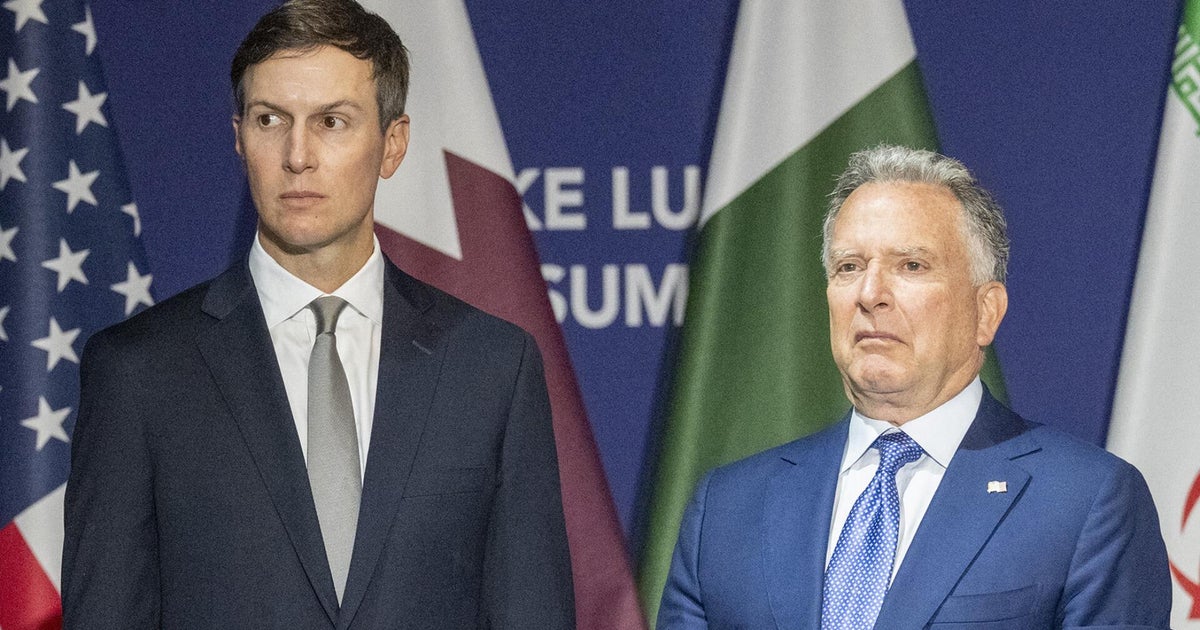
President Trump sent envoys Steve Witkoff and Jared Kushner to Moscow to meet Vladimir Putin, then to Kyiv to meet Volodymyr Zelenskyy, to press a new U.S. proposal to end the Russia-Ukraine war amid a short pause in strikes on the capitals.
President Trump sent envoys Steve Witkoff and Jared Kushner to Moscow to meet Vladimir Putin, then to Kyiv to meet Volodymyr Zelenskyy, to press a new U.S. proposal to end the Russia-Ukraine war amid a short pause in strikes on the capitals.
Corroboration
LowMedHigh






Confirmed by 54+ sources.
What This is
- U.S. envoys Steve Witkoff and Jared Kushner met Russian President Vladimir Putin at the Kremlin to discuss a Trump-backed proposal to end the war in Ukraine.
- After Moscow, the envoys are expected to travel to Kyiv to meet Ukrainian President Volodymyr Zelenskyy and discuss the same proposal.
- Trump said the envoys were carrying a new peace plan but did not publicly share details, and Putin signaled the situation remained difficult.
- Russian officials repeated that any deal must reflect Moscow’s terms, including territorial demands and limits on Ukraine’s NATO ambitions, which Ukraine and its European partners have rejected.
- Some reporting describes Witkoff as a frequent go-between with the Kremlin, raising questions about how the channel is run and who is involved in the talks.
Why This Matters
- Direct U.S. talks with Putin and Zelensky can change what each side thinks Washington will back next.
- A limited “don’t hit the capitals” pause shows whether either side can follow even a narrow restraint deal.
- If peace terms include land swaps or NATO limits, it could split Ukraine from key partners and set a wider example about borders changed by force.
- Backchannel-style diplomacy raises trust and accountability concerns, because it can sideline allies and make it harder to verify what was promised.