



FOREIGN AFFAIRS
U.S. Charges Former Cuban President Raul Castro With Murder And Expands Sanctions
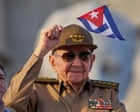
The U.S. Justice Department unsealed a Miami grand jury indictment charging former Cuban president Raúl Castro over the 1996 shootdown of two Brothers to the Rescue planes that killed four people.
The U.S. Justice Department unsealed a Miami grand jury indictment charging former Cuban president Raúl Castro over the 1996 shootdown of two Brothers to the Rescue planes that killed four people.
Corroboration
LowMedHigh






Confirmed by 26+ sources.
What This is
- The U.S. Justice Department unsealed a Miami grand jury indictment charging former Cuban president Raúl Castro over the 1996 shootdown of two Brothers to the Rescue planes that killed four people.
- Prosecutors charged Castro with murder, conspiracy to kill U.S. nationals, and destruction of aircraft in connection with the incident.
- Extradition or a U.S. trial appears unlikely because Castro remains in Cuba and the Cuban government rejects the case.
- GAESA is a military-run conglomerate that controls large parts of Cuba’s economy, including major roles in banking, tourism, and retail.
- The Trump administration expanded Cuba-related sanctions in May to specifically target GAESA with measures such as asset freezes and travel restrictions tied to its leadership and foreign investors.
- The sanctions and U.S. limits on heavy oil shipments have been linked to worsening shortages in Cuba.
Why This Matters
- Charging a former head of state tests how criminal law is used to pursue accountability when arrests are unlikely.
- The case signals a shift toward confrontation over diplomacy, narrowing options for de-escalation and communication.
- Tighter pressure on Cuba intersects with shortages, shaping humanitarian conditions and potential migration flows.
- The episode affects regional security calculations by raising the perceived risk of U.S. coercion or force.