



IRAN
U.S. and Iran negotiate ceasefire, exchange strikes near Strait of Hormuz
The United States and Iran have signed an interim 14-point memorandum intended to halt hostilities, reopen the Strait of Hormuz, and launch a 60-day period to negotiate a broader settlement.
The United States and Iran have signed an interim 14-point memorandum intended to halt hostilities, reopen the Strait of Hormuz, and launch a 60-day period to negotiate a broader settlement.
Corroboration
LowMedHigh






Confirmed by 80+ sources.
What This is
- The United States and Iran have signed an interim 14-point memorandum intended to halt hostilities, reopen the Strait of Hormuz, and launch a 60-day period to negotiate a broader settlement.
- The U.S. says it has lifted enforcement of its naval blockade of Iranian ports as part of the arrangement, while keeping naval forces in the region to monitor compliance.
- The memorandum includes a plan for sanctions waivers enabling Iranian oil exports and possible access to frozen assets, alongside discussion of a proposed roughly $300 billion reconstruction or development package.
- The nuclear elements described include Iran reaffirming it will not pursue nuclear weapons and provisions for international supervision of down-blending enriched uranium, with key technical limits left for later talks.
- Oil prices fell and gasoline prices eased after news of the ceasefire framework and the expected resumption of shipping through the Strait of Hormuz.
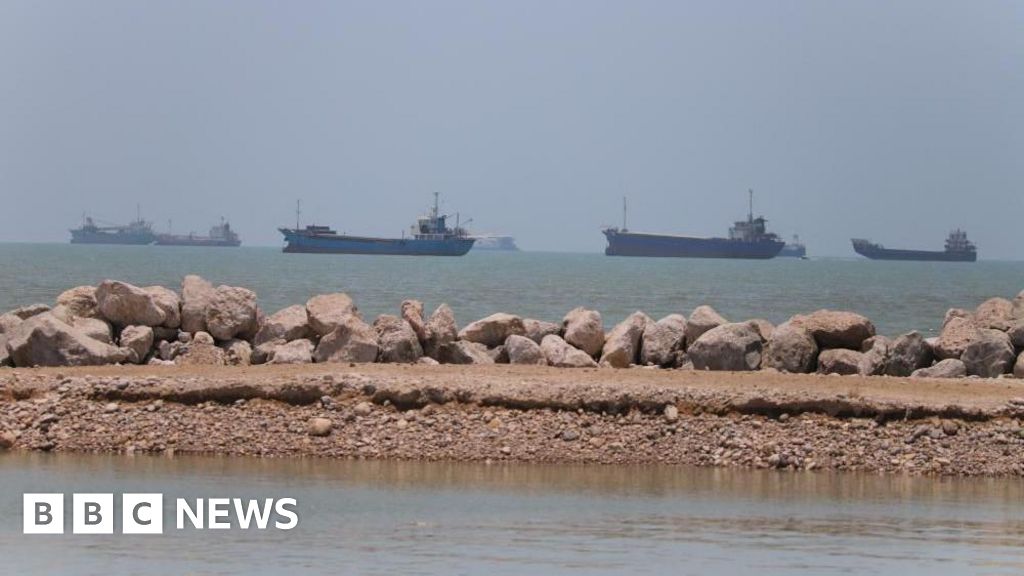
- Maritime and insurance risks mean normal shipping through Hormuz is expected to recover gradually, with concerns including mines, backlogged vessels, and continued security threats.
- The agreement has drawn sharp domestic pushback in the United States, especially from Senate Republicans who argue it grants Iran major financial relief without sufficiently constraining its nuclear and missile capabilities.
- The negotiations and ceasefire are entangled with fighting in Lebanon, and Israel’s continued strikes there are described as a potential spoiler for the wider arrangement.
Why This Matters
- Keeping the Strait of Hormuz reliably open matters for global energy prices, inflation, and shipping costs far beyond the region.
- A short interim memorandum shifts the dispute from military escalation to verification and compliance, where small breaches can rapidly trigger renewed conflict.
- Sanctions waivers and access to funds test how much economic pressure the U.S. can relax without losing leverage over nuclear and regional security issues.
- The Lebanon linkage highlights how regional wars are intertwined, making a U.S.-Iran understanding fragile if third parties keep fighting.