



IRAN
U.S. and Iran conduct strikes and negotiate ceasefire amid Strait of Hormuz tensions
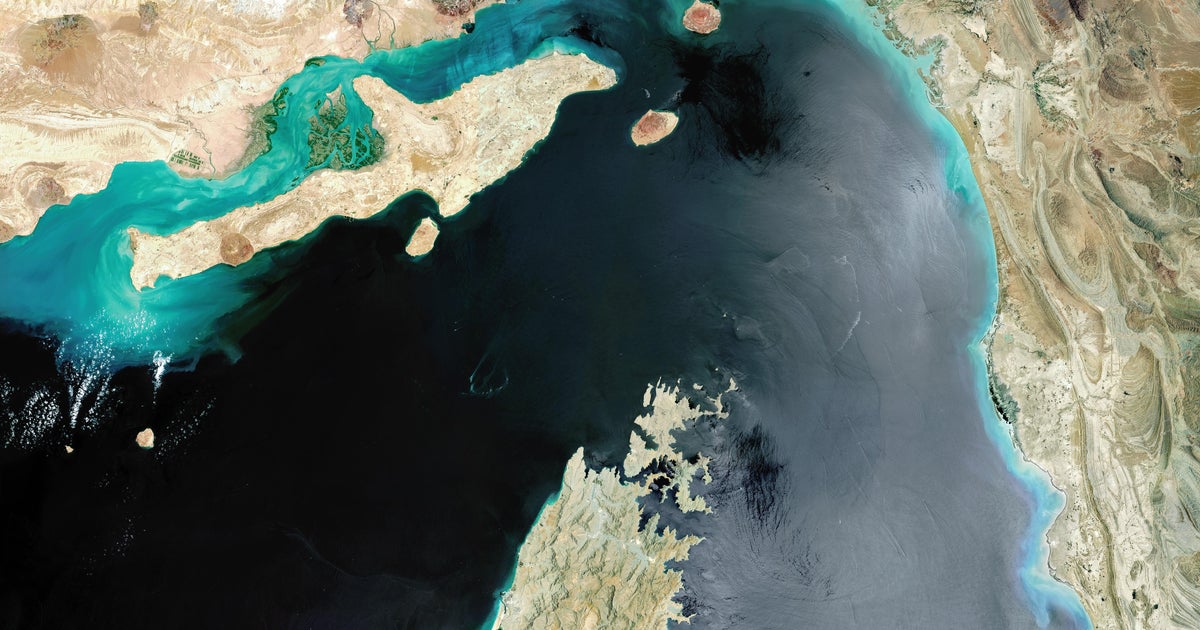
The U.S. and Iran are trading strikes while trying to extend a fragile ceasefire and reach a preliminary deal tied to Iran’s nuclear program and reopening the Strait of Hormuz.
The U.S. and Iran are trading strikes while trying to extend a fragile ceasefire and reach a preliminary deal tied to Iran’s nuclear program and reopening the Strait of Hormuz.
Corroboration
LowMedHigh






Confirmed by 62+ sources.
What This is
- The U.S. and Iran are trading strikes while trying to extend a fragile ceasefire and reach a preliminary deal tied to Iran’s nuclear program and reopening the Strait of Hormuz.
- Iran’s missile-and-drone attack on Kuwait International Airport killed one person and injured dozens, and it has become a key escalation point in the wider Gulf conflict.
- The U.S. military says it carried out additional “self-defense” strikes in and around Iran, including targeting facilities on Qeshm Island after intercepting Iranian drones and missiles.
- Strait of Hormuz traffic remains far below prewar levels, but dozens of commercial ships have coordinated with the U.S. Navy’s shipping guidance team in Bahrain to transit without formal escorts.
- Draft deal discussions focus on extending the ceasefire for about 60 days and linking reopening Hormuz to written nuclear commitments and potential sanctions or financial concessions.
- Talks have repeatedly stalled amid conflicting claims about whether Iran is pausing mediator contacts, while President Trump insists communications continue and Iran signals conditions tied to Lebanon.
- Fighting between Israel and Hezbollah in Lebanon is continuing despite ceasefire efforts and is complicating U.S.-Iran negotiations because Tehran demands a halt to violence in Lebanon as part of any deal.
- The U.S. House passed a war powers resolution seeking to curb or halt U.S. military action against Iran, setting up a political and legal clash over Congress’s role versus the president’s authority.
- The International Atomic Energy Agency says Iran’s nuclear program appears relatively unchanged since the war began, but inspectors lack access to affected sites and have lost continuity over declared material.
- Markets have swung on ceasefire and shipping expectations, with U.S. stocks rising on hopes of a deal and oil prices moving up or down on signs Hormuz may stay closed or reopen.
Why This Matters
- The Strait of Hormuz is a critical oil-shipping chokepoint, so prolonged disruption quickly feeds into global fuel prices and inflation.
- The conflict is testing U.S. constitutional checks on war-making, sharpening disputes over when presidents can use force without fresh congressional approval.
- Linking a ceasefire to nuclear limits raises high-stakes questions about verification, trust, and what concessions are acceptable to prevent future escalation.
- Spillover across Kuwait, Bahrain, Lebanon, and shipping lanes shows how regional wars can broaden, increasing risks to civilians, commerce, and fragile state stability.