



DEFENSE
Trump unveils $6.6 billion submarine project led by GOP donor Palmer Luckey’s Anduril
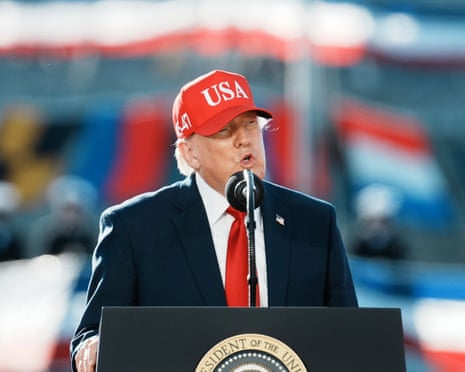
President Donald Trump and the U.S. Navy announced a $6.6 billion deal with defense contractor Anduril to build the Arsenal-2 shipyard at Sparrows Point near Baltimore to make major components for Virginia-class nuclear submarines.
President Donald Trump and the U.S. Navy announced a $6.6 billion deal with defense contractor Anduril to build the Arsenal-2 shipyard at Sparrows Point near Baltimore to make major components for Virginia-class nuclear submarines.
Corroboration
LowMedHigh






Confirmed by 29+ sources.
What This is
- Trump and Defense Secretary Pete Hegseth announced Arsenal-2, a new shipyard project at Sparrows Point near Baltimore led by defense contractor Anduril Industries.
- The plan totals $6.6 billion, with $3.7 billion from Anduril and up to $2.9 billion from the U.S. Navy linked to purchases or production goals.
- The facility will manufacture key components for Virginia-class nuclear-powered submarines, including torpedo tubes and larger hull sections.
- Anduril and the administration stated the shipyard is intended to ease supply-chain and workforce bottlenecks that have delayed submarine deliveries and constrained production.
- The project is expected to create about 3,100 direct jobs, and some coverage also cites about 11,000 indirect jobs tied to suppliers and construction.
- The announcement drew attention, as Anduril founder Palmer Luckey is a major Republican donor and Maryland’s Democratic governor did not attend amid a dispute over invitations.
- Trump said taxpayers would receive a “40% stake” in the shipyard, but officials did not explain how that ownership arrangement would work.
Why This Matters
- Submarine output is a key test of whether the United States can rebuild its ability to produce complex weapons after years of delays and skilled-worker shortages.
- Because Virginia-class submarines are central to U.S. undersea power, continued production delays could weaken deterrence and place additional strain on the existing fleet.
- The funding structure could shape how future defense projects divide financial and execution risk between private contractors and taxpayers.
- Expanded Virginia-class production will affect whether the United States can meet its own fleet needs while supplying Australia under AUKUS.