



CHINA
Trump to speak with Taiwan's president
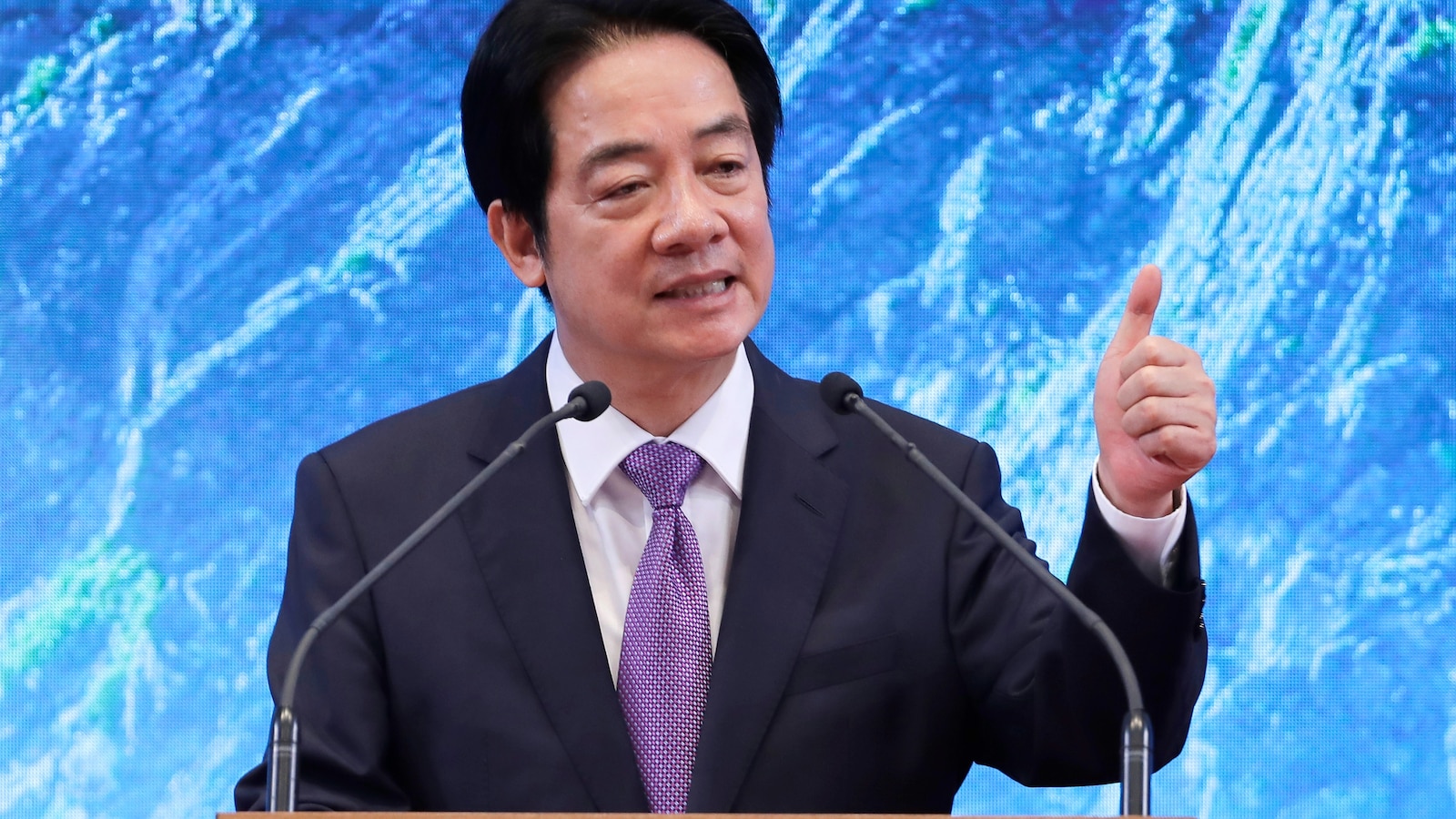
President Donald Trump said he is willing to speak with Taiwan President Lai Ching-te, breaking with the post-1979 practice of U.S. presidents avoiding direct leader-to-leader contact with Taiwan.
President Donald Trump said he is willing to speak with Taiwan President Lai Ching-te, breaking with the post-1979 practice of U.S. presidents avoiding direct leader-to-leader contact with Taiwan.





What This is
- President Donald Trump said he is willing to speak with Taiwan President Lai Ching-te, breaking with the post-1979 practice of U.S. presidents avoiding direct leader-to-leader contact with Taiwan.
- The prospective call follows Trump’s recent trip to China and meeting with Chinese leader Xi Jinping, which put Taiwan and U.S. arms sales to Taiwan on the agenda.
- Trump said he is undecided about approving a roughly $14 billion U.S. weapons package for Taiwan and described the package as a potential bargaining chip in talks with China.
- Taiwan’s president said he would use any conversation with Trump to urge continued U.S. arms purchases and closer cooperation to preserve peace and stability in the Taiwan Strait.
- Chinese pressure on Taiwan remains central to the dispute, with Taiwan citing continued Chinese military activity and Beijing criticizing Lai’s stance.
- Trump said Xi asked whether the United States would defend Taiwan, and Trump said he did not answer, reflecting continued U.S. uncertainty about how it would respond in a conflict.
- U.S. law obliges Washington to help Taiwan maintain the means to defend itself, and U.S. lawmakers have pointed to that requirement in urging continued arms sales.
Why This Matters
- A direct Trump–Lai call would test the practical limits of U.S. commitments that stop short of formal diplomatic recognition of Taiwan.
- How Washington treats arms sales shapes deterrence: credible support can reduce incentives for coercion, while ambiguity can invite miscalculation.
- The episode links security policy to trade diplomacy, raising questions about whether military assistance can be traded for economic concessions.
- Taiwan’s status affects regional order in Asia, including how smaller democracies judge U.S. reliability when facing pressure from larger powers.
- Uncertainty over Taiwan policy can ripple through global technology and supply chains because Taiwan is central to advanced chip production.