



RUSSIA UKRAINE
Trump threatens to withdraw more than 5,000 U.S. troops from Germany amid Russia's invasion of Ukraine
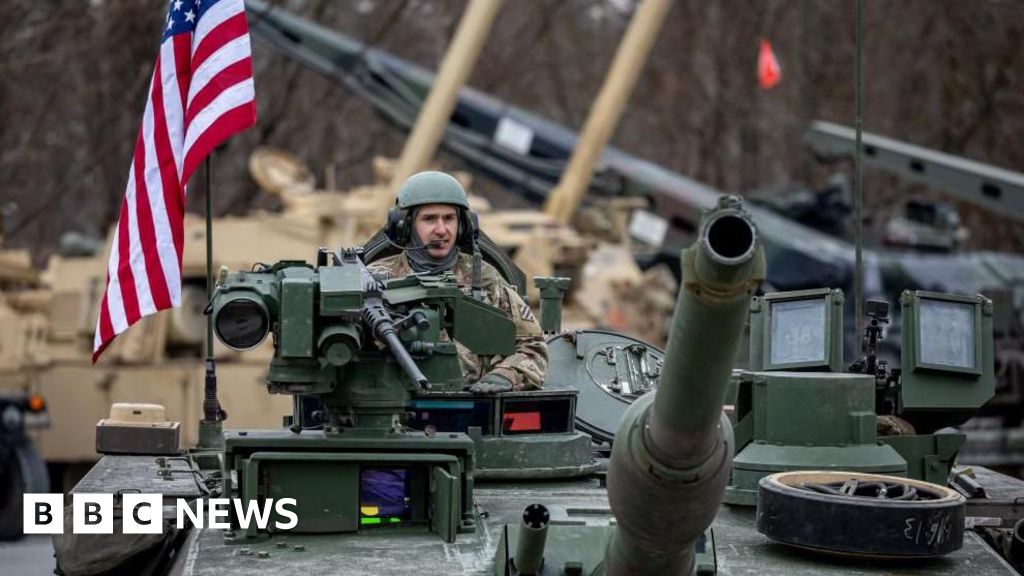
President Donald Trump and the Pentagon announced a planned withdrawal of about 5,000 U.S. troops from Germany, and Trump said the reductions could go much further.
President Donald Trump and the Pentagon announced a planned withdrawal of about 5,000 U.S. troops from Germany, and Trump said the reductions could go much further.
Corroboration
LowMedHigh






Confirmed by 51+ sources.
What This is
- President Donald Trump and the Pentagon announced a planned withdrawal of about 5,000 U.S. troops from Germany, and Trump said the reductions could go much further.
- The Pentagon said the drawdown would take place over roughly six to 12 months and would still leave more than 30,000 U.S. troops stationed in Germany.
- Several reports said the change includes pulling a combat brigade and canceling a planned Tomahawk-capable long-range fires battalion that was expected to deploy to Germany.
- U.S. and European officials raised concerns that cutting forces in Germany could weaken NATO deterrence against Russia and send a favorable signal to Moscow during the Russia-Ukraine war.
- Top Republican leaders who chair the House and Senate Armed Services committees pressed for consultation with Congress and allies and argued forces should be repositioned within Europe rather than removed.
- German officials said they were prepared for reductions and urged Europe to take greater responsibility for its own defense while stressing the mutual benefits of the U.S. presence.
- The announcement was tied in several reports to a widening dispute with Germany and other European allies over the U.S.-Israel war with Iran and related burden-sharing arguments inside NATO.
Why This Matters
- U.S. basing in Germany underpins NATO’s ability to move forces quickly across Europe, so reductions can alter the alliance’s real readiness even if troop numbers remain large.
- Perceived uncertainty about U.S. commitments can increase the risk of miscalculation by Russia and force European governments to make faster, costlier defense choices.
- Tying security deployments to political disputes with allies can weaken trust, complicate joint planning, and make crisis coordination harder across NATO and the European Union.
- The episode sharpens the long-running burden-sharing debate by testing whether higher European defense spending translates into the specific capabilities the U.S. currently provides.