



CIVIL RIGHTS
Trump signs executive order to limit mail ballots
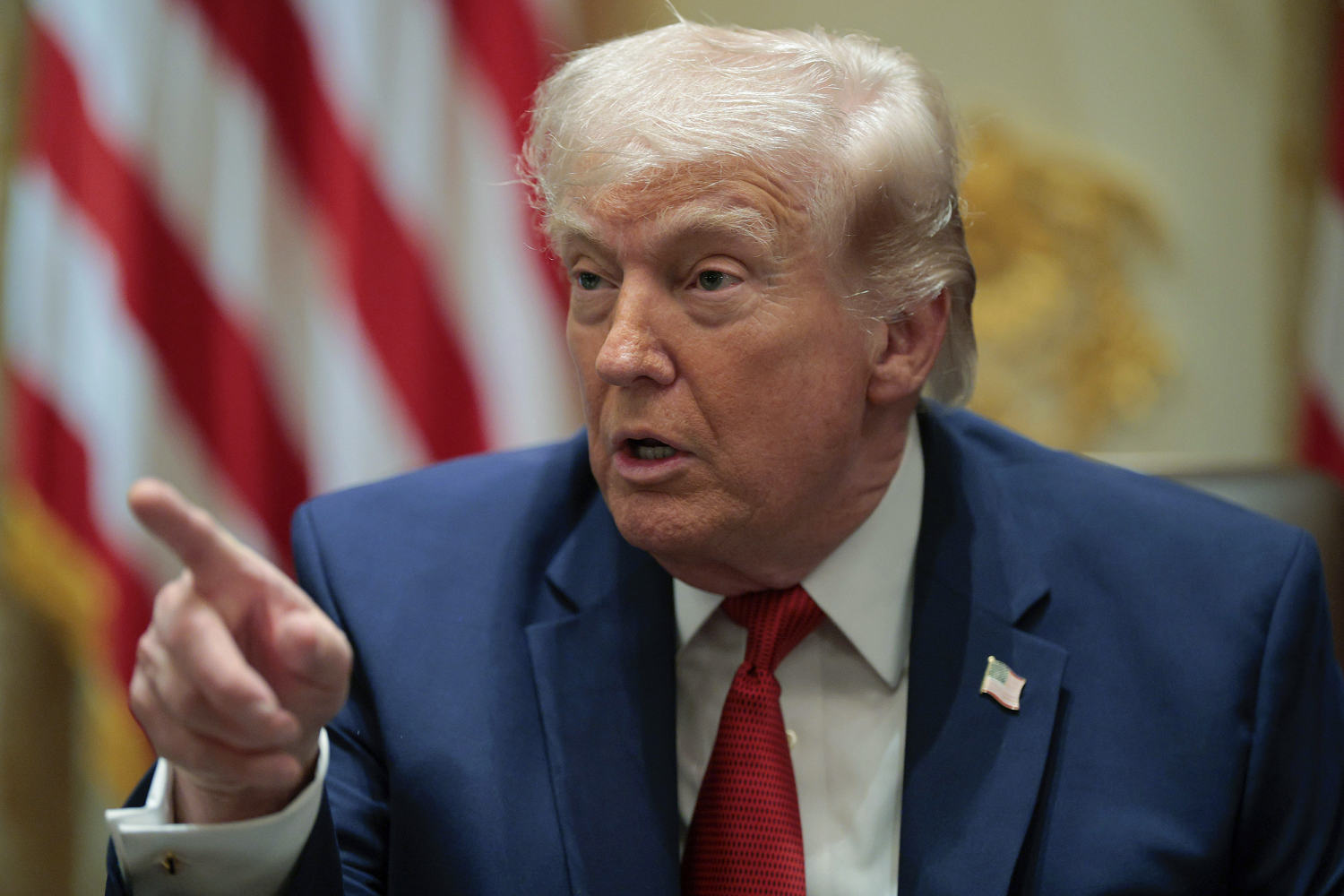
President Donald Trump signed an executive order aimed at tightening rules for mail-in voting and increasing federal involvement in how absentee ballots are sent and tracked.
President Donald Trump signed an executive order aimed at tightening rules for mail-in voting and increasing federal involvement in how absentee ballots are sent and tracked.
Corroboration
LowMedHigh





Confirmed by 30+ sources.
What This is
- President Donald Trump signed an executive order aimed at tightening rules for mail-in voting and increasing federal involvement in how absentee ballots are sent and tracked.
- The order directs the Department of Homeland Security, working with the Social Security Administration, to compile a nationwide list intended to identify confirmed U.S. citizens eligible to vote.
- The order seeks to limit U.S. Postal Service mailings of absentee ballots to people on state-approved mail-in lists and to prevent ballots from being sent to people deemed ineligible.
- It calls for secure, trackable ballot envelopes using barcodes and other tracking features to monitor mailed ballots.
- The order authorizes the Justice Department to prioritize investigations related to ballots issued to ineligible voters and raises the possibility of federal funding consequences for noncompliant jurisdictions.
- States, Democratic officials, and voting-rights advocates have promised lawsuits, arguing the order unlawfully intrudes on state authority because states administer elections.
- Legal experts cited in coverage say the order’s authority is uncertain and likely to face constitutional challenges, while the administration frames it as an election-integrity measure.
- The order comes amid broader political fights over mail voting, including Trump’s support for the SAVE America Act to sharply limit universal mail ballots and related Supreme Court scrutiny of counting late-arriving mailed ballots.
Why This Matters
- The dispute tests the balance of power between federal agencies and states that traditionally control election rules.
- Changes to mail voting can expand or restrict access for voters with disabilities, limited transportation, caregiving duties, or inflexible work schedules.
- A national eligibility list raises civil-rights concerns about mistaken exclusions and how identity and citizenship data are collected and shared.
- Threats tied to federal funding can pressure local election administration and intensify partisan conflict over election legitimacy.