



DEFENSE
Trump’s war on Iran is rapidly draining US navy budget
The Trump administration’s war with Iran is straining U.S. defense budgets, with the Navy moving money out of payroll and maintenance to cover combat operations while the Pentagon seeks emergency funding and ramps up missile buys to replace depleted stockpiles.
The Trump administration’s war with Iran is straining U.S. defense budgets, with the Navy moving money out of payroll and maintenance to cover combat operations while the Pentagon seeks emergency funding and ramps up missile buys to replace depleted stockpiles.
Corroboration
LowMedHigh




Confirmed by 4+ sources.
What This is
- The war with Iran has created sharp financial pressure on the U.S. military, especially the Navy, as costs mount months into the conflict.
- Navy leaders have shifted money from payroll and other accounts to cover combat and operating costs, creating reported payroll shortfalls.
- To free up cash, the Navy has deferred non-emergency maintenance, raising concerns about future readiness and ship upkeep.
- Officials warn the Navy is burning through munitions, adding another budget and readiness problem during the conflict.
- The Pentagon is seeking additional money from Congress, but approval is not guaranteed and officials have raised near-term solvency concerns.
- The Pentagon is planning much larger purchases of advanced missile interceptors, including PAC-3 MSE and THAAD, to rebuild depleted stockpiles.
- Analysts say rebuilding advanced interceptor stocks could take years and require new production capacity plus steady congressional funding.
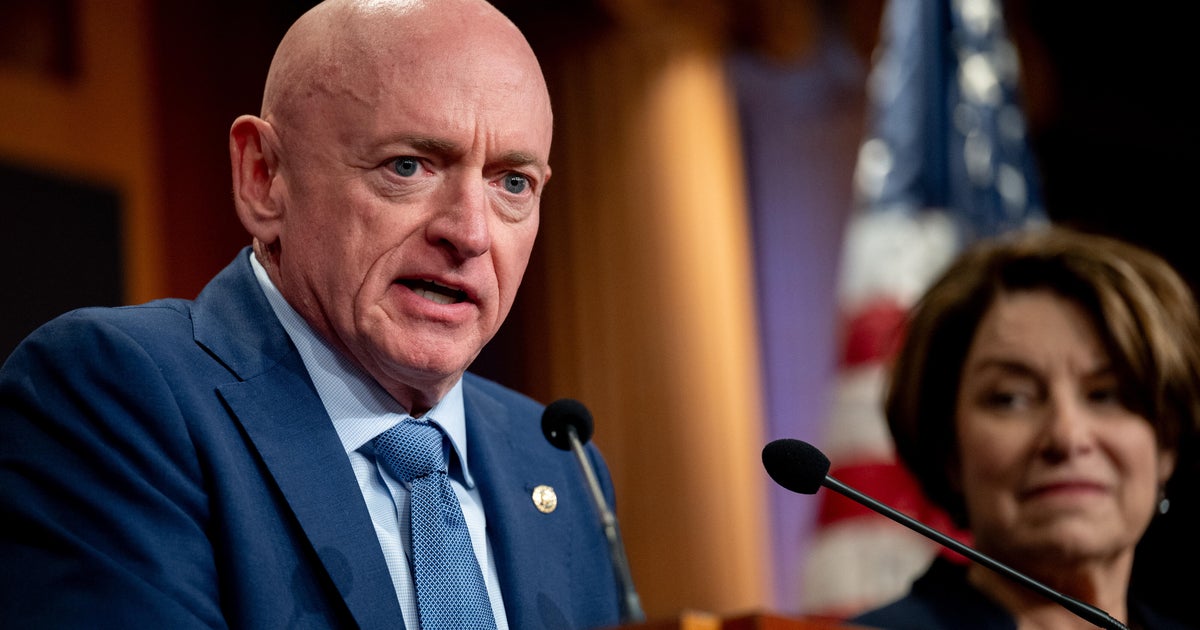
- Sen. Mark Kelly urged President Trump to find a way out of the Iran war and criticized the administration’s approach and funding requests.
Why This Matters
- If the Navy has to raid payroll and maintenance accounts, it can undermine morale and basic operations even without a formal budget cut.
- Delaying ship maintenance and draining munitions can reduce real combat readiness and raise the risk of accidents and breakdowns later.
- Big emergency funding requests shift war costs into sudden political fights, testing Congress’s control over military spending.
- Rebuilding missile stockpiles depends on factory capacity, so shortages can persist even after more money is approved.