



GOVERNANCE INSTITUTIONS
Trump plan would narrow who is included in the 2030 census
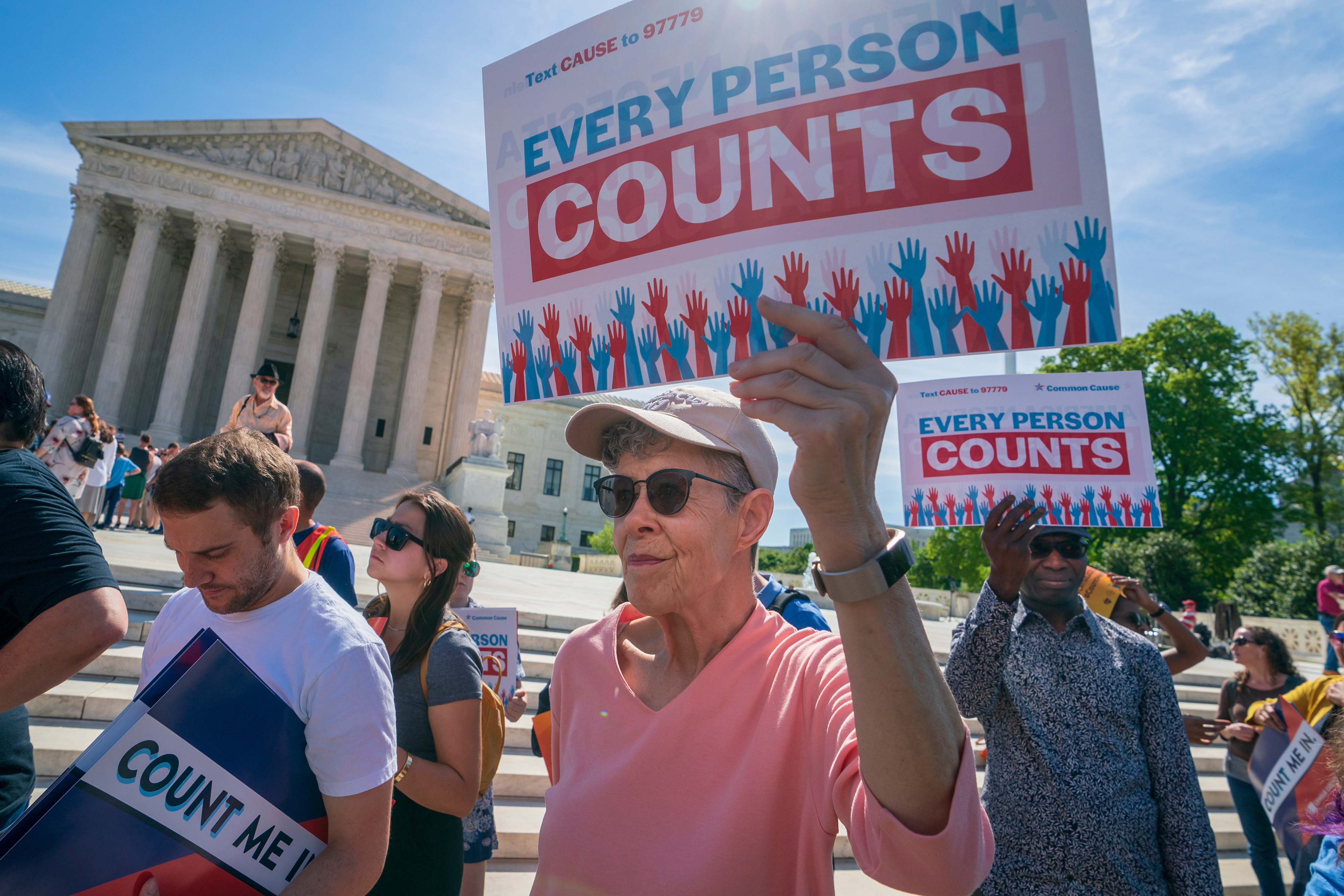
The Trump administration has proposed a draft plan for the 2030 U.S. census that would change who is counted for dividing up House seats, add or expand citizenship or legal-status measures, and scale back questions on race, ethnicity, and sexual orientation.
The Trump administration has proposed a draft plan for the 2030 U.S. census that would change who is counted for dividing up House seats, add or expand citizenship or legal-status measures, and scale back questions on race, ethnicity, and sexual orientation.
Corroboration
LowMedHigh





Confirmed by 12+ sources.
What This is
- The Trump administration released a draft plan for the 2030 census that would change who is counted for key official totals.
- The proposal would limit House-apportionment totals to citizens and permanent residents, excluding undocumented immigrants and potentially some people with temporary legal status.
- The proposal considers adding a citizenship or legal-status question and using federal records to verify answers about citizenship or immigration status.
- The plan would remove or reconsider questions on race and ethnicity on the short form, and several summaries also mention removing questions on sexual orientation.
- Critics and researchers warn the changes could shift House seats, Electoral College votes, and redistricting maps, especially for immigrant-heavy areas.
- The proposal is expected to trigger legal and political fights, including arguments about what the Constitution requires the census to count.
Why This Matters
- Census totals decide each state’s share of House seats and Electoral College votes.
- Excluding some immigrants from apportionment would shift political power between states and change which communities have influence in Congress.
- Using government records to check legal status could raise privacy fears and reduce participation, which can make the census less accurate.
- Less detailed race and ethnicity data can weaken efforts to prove discrimination and to draw voting maps that follow civil-rights rules.