



POLITICS
Trump offers a rare dual endorsement in GOP runoff in South Carolina
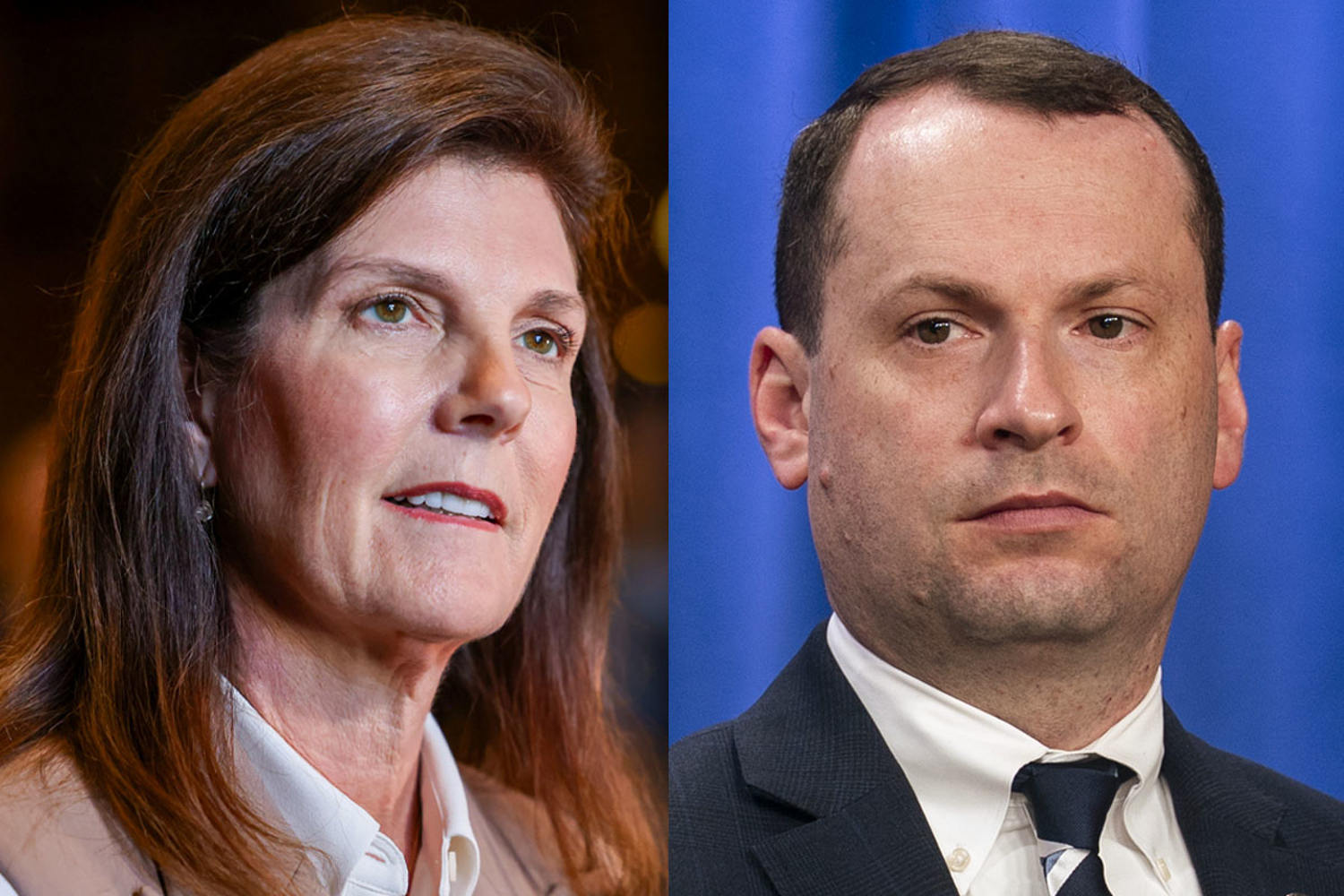
Donald Trump issued a rare dual endorsement in South Carolina’s June 23 Republican gubernatorial runoff, backing both Lt. Gov. Pamela Evette and Attorney General Alan Wilson.
Donald Trump issued a rare dual endorsement in South Carolina’s June 23 Republican gubernatorial runoff, backing both Lt. Gov. Pamela Evette and Attorney General Alan Wilson.
Corroboration
LowMedHigh






Confirmed by 20+ sources.
What This is
- Donald Trump issued a rare dual endorsement in South Carolina’s June 23 Republican gubernatorial runoff, backing both Lt. Gov. Pamela Evette and Attorney General Alan Wilson.
- Trump had previously endorsed Evette ahead of the June 9 primary, then shifted to saying voters “can’t go wrong” with either candidate.
- Evette finished first in the June 9 primary but did not win a majority, forcing a runoff against Wilson.
- Trump described both candidates as aligned with “MAGA” and “America First,” and said he did not want to hurt one by choosing the other.
- The dual endorsement came after recent primary setbacks for some Trump-backed candidates and is seen as a way to reduce the risk of backing a loser.
- Wilson has also picked up endorsements from other prominent Republicans, including Sen. Tim Scott, Sen. Ted Cruz, and Rep. Ralph Norman.
- Evette and Wilson’s runoff has turned into a heated intraparty contest, including public disputes tied to Cruz’s endorsement and campaign messaging.
- In their final debate before the runoff, Evette and Wilson traded attacks and argued over issues like state income-tax cuts, casino gambling, medical marijuana, and other record-based disputes.
Why This Matters
- It tests how much a Trump endorsement still influences Republican primary voters when local candidate networks and state issues matter most.
- A dual endorsement blurs accountability, making it harder for voters and party actors to judge whether endorsements are leadership signals or brand protection.
- The outcome shapes South Carolina’s policy direction and governing style in a conservative state where the Republican nominee is likely favored in the general election.
- Competing endorsements from figures like Tim Scott and Ted Cruz highlight internal party coalitions that can affect national fundraising, alliances, and future presidential positioning.