



NATIONAL SECURITY
Trump calls for military intervention in Chicago after spate of shootings
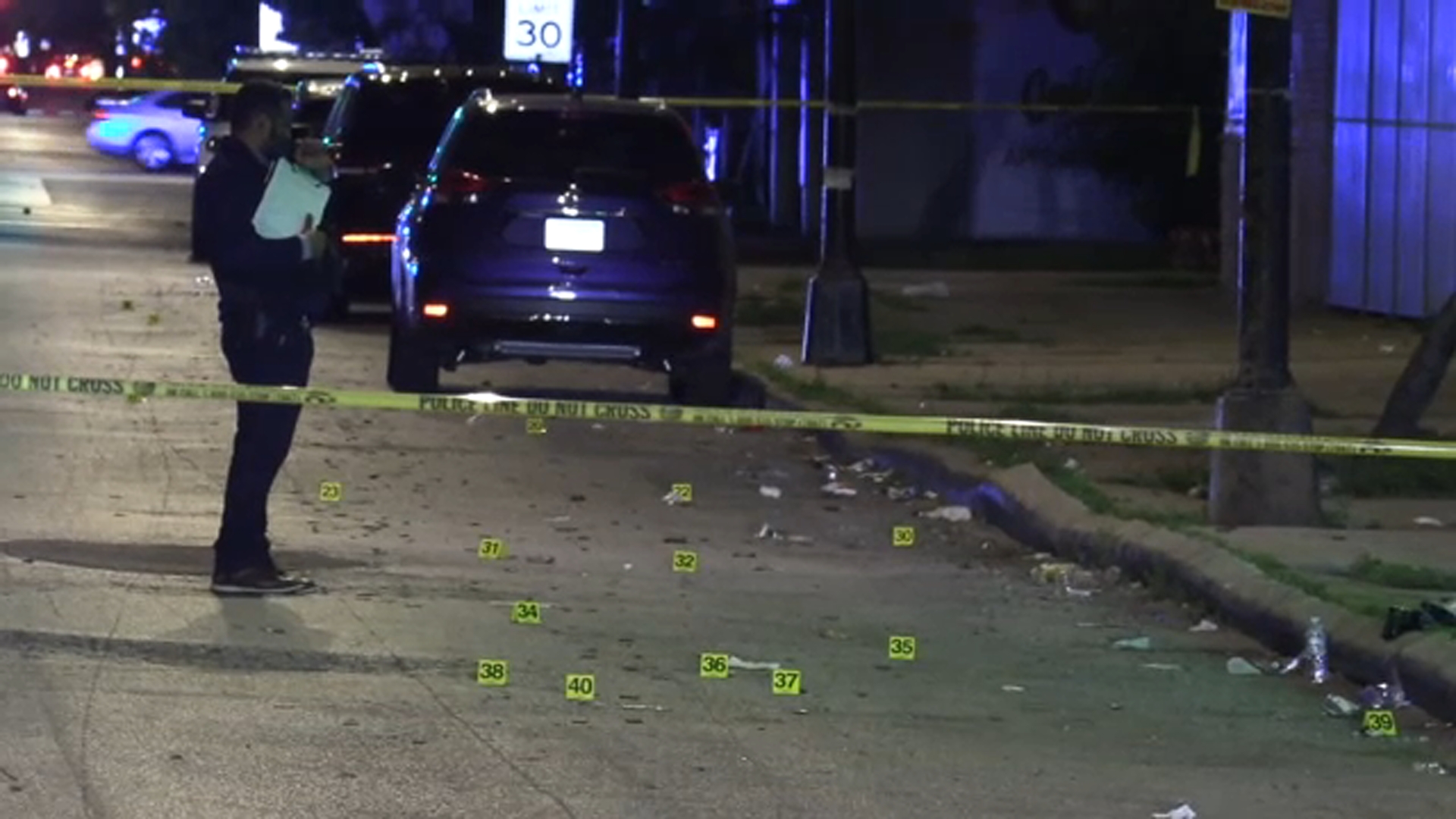
A surge of shootings in Chicago over the Juneteenth weekend killed at least seven people and injured dozens, triggering renewed calls by Donald Trump for federal military intervention in the city.
A surge of shootings in Chicago over the Juneteenth weekend killed at least seven people and injured dozens, triggering renewed calls by Donald Trump for federal military intervention in the city.
Corroboration
LowMedHigh






Confirmed by 14+ sources.
What This is
- A surge of shootings in Chicago over the Juneteenth weekend killed at least seven people and injured dozens, triggering renewed calls by Donald Trump for federal military intervention in the city.
- Police reported roughly two dozen separate shooting incidents since Friday, including a mass shooting in which gunmen fired from an SUV and wounded 12 people.
- Trump used social media to argue that deploying the military would make Chicago safer and criticized Illinois Governor J.B. Pritzker for not seeking his help.
- Governor Pritzker opposed federal military involvement, and has rejected federalizing the Illinois National Guard for Chicago.
- Chicago Mayor Brandon Johnson condemned the violence and said those responsible would be held accountable, while resisting calls for federal military deployment.
- Some reporting noted that Chicago’s overall violent crime has generally fallen in recent years, even as shootings fluctuate and saw a recent uptick around the weekend.
- A study cited in one account found that prior troop deployments had minimal effects on violence, raising questions about whether military involvement would improve public safety.
Why This Matters
- The dispute tests the limits of federal power versus state and city control over policing and public safety.
- Using military forces for domestic security raises risks of escalation, civil-liberties violations, and blurred lines between law enforcement and combat roles.
- High-profile violence and calls for forceful intervention can reshape public perceptions of safety and trust in local institutions.
- The debate affects practical coordination among federal, state, and local authorities during crises, including who commands resources and sets rules of engagement.