



FOREIGN AFFAIRS
Trump-backed candidate leads into presidential runoff in Colombia
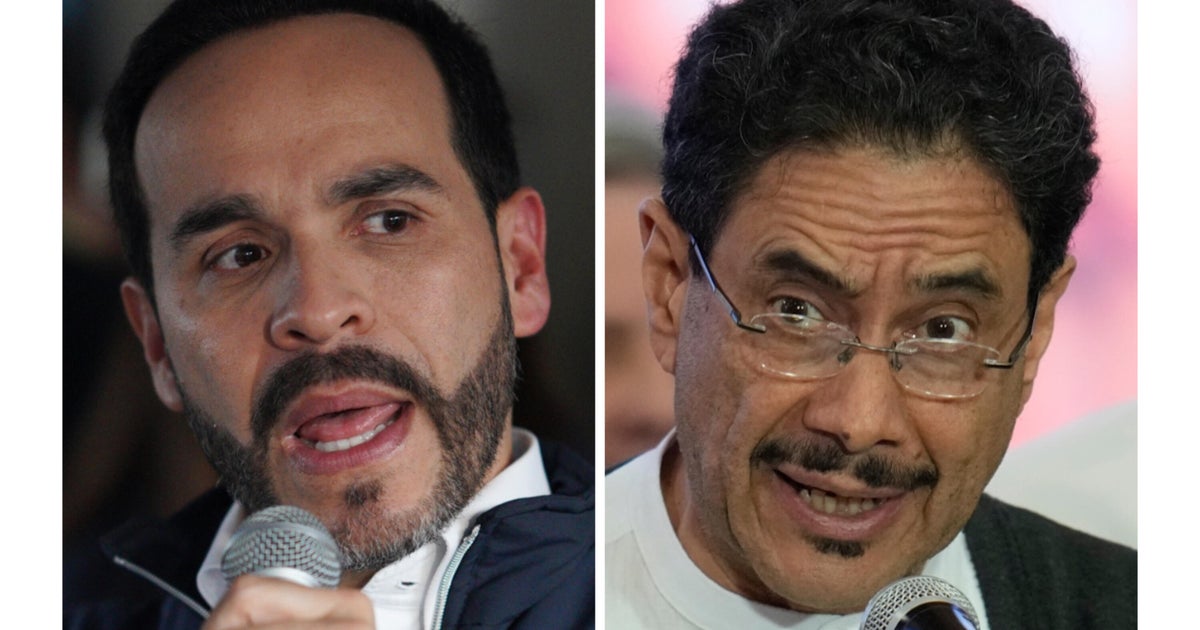
Colombia is holding a presidential runoff between conservative outsider Abelardo de la Espriella and left-wing senator Iván Cepeda, with the outcome expected to reshape the country’s security and peace strategy.
Colombia is holding a presidential runoff between conservative outsider Abelardo de la Espriella and left-wing senator Iván Cepeda, with the outcome expected to reshape the country’s security and peace strategy.
Corroboration
LowMedHigh






Confirmed by 17+ sources.
What This is
- Colombia is holding a presidential runoff between conservative outsider Abelardo de la Espriella and left-wing senator Iván Cepeda, with the outcome expected to reshape the country’s security and peace strategy.
- De la Espriella is leading in polls and campaigns on a hardline, Bukele-style crackdown that emphasizes military offensives against armed groups and tougher public-order measures.
- Cepeda is aligned with outgoing President Gustavo Petro and is running on continuing negotiations with illegal armed groups alongside social and human-rights-focused priorities.
- The campaign is dominated by public fear of rising violence and armed-group expansion since the 2016 peace accord, with illegal groups increasing their territorial control in some areas.
- Petro’s negotiation-based “total peace” approach has produced limited but symbolic demobilization, including a recent weapons handover by about 100 rebels in Putumayo province.
- The National Liberation Army (ELN) says it is open to talks with whoever wins but claims it can withstand a renewed military offensive and describes growing capacity, including drone use.
- De la Espriella has public backing from Donald Trump and is part of a wider wave of MAGA-aligned, right-wing politics in Latin America centered on security and anti-left messaging.
- The election is also shaped by economic and governance pressures, including high public debt and expectations of divided lawmaking, which could constrain whichever candidate wins.
- The race has featured allegations and counter-allegations about election integrity and links to paramilitary groups, adding to concerns about intimidation and polarization.
Why This Matters
- The vote tests whether Colombians prioritize immediate security enforcement or negotiated conflict reduction, shaping how the state uses coercion versus compromise.
- A shift toward mass-detention policing could weaken due-process protections and change the balance between public safety and civil liberties.
- The result may alter incentives for armed groups to demobilize, affecting rural communities’ safety and displacement risks.
- Trump-linked endorsements and U.S. counterdrug ties raise stakes for Colombia’s foreign policy alignment and regional political trends.