



GOVERNMENT TRANSPARENCY
Trump abruptly ends NBC interview after clash over 'rigged election' claim
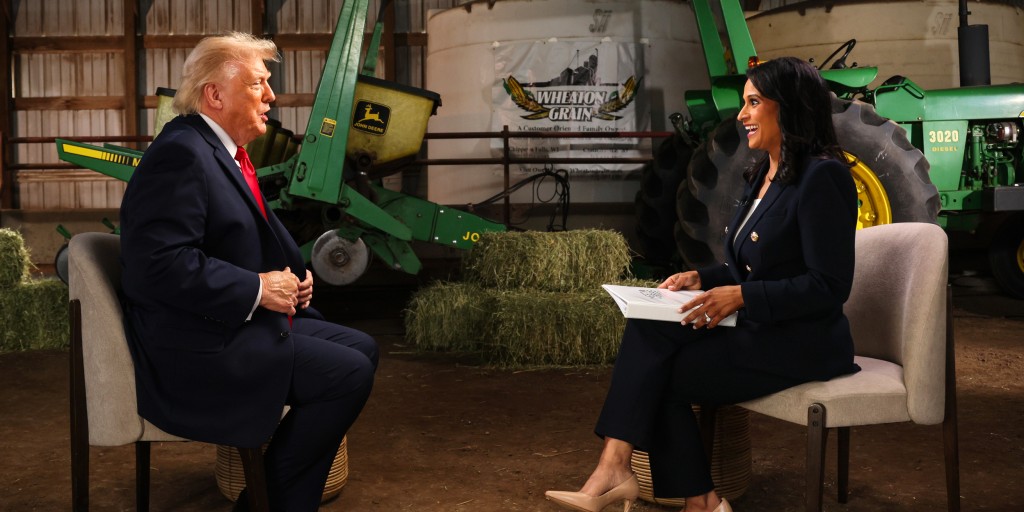
President Donald Trump abruptly ended and walked out of an NBC “Meet the Press” interview after a tense exchange with moderator Kristen Welker about his claims that elections and vote counts were “rigged.”
President Donald Trump abruptly ended and walked out of an NBC “Meet the Press” interview after a tense exchange with moderator Kristen Welker about his claims that elections and vote counts were “rigged.”





What This is
- President Donald Trump abruptly ended and walked out of an NBC “Meet the Press” interview after a tense exchange with moderator Kristen Welker about his claims that elections and vote counts were “rigged.”
- Welker repeatedly asked Trump to provide evidence for his claims, including allegations about the 2020 election and California’s primary vote-counting process.
- Trump responded by attacking NBC and the media as biased or “crooked,” criticized Welker personally, and cut the interview short.
- The interview was conducted outdoors and was disrupted by rain and other technical or weather-related interruptions.
- Trump discussed U.S. policy toward Iran, defending recent military actions and saying he prefers negotiations but would continue military operations if a deal is not reached.
- He also addressed a proposed taxpayer-funded “anti-weaponization” compensation fund linked by critics to people involved in the January 6 Capitol attack, with some reports describing the idea as later scrapped.
- Trump defended people charged or convicted over January 6 in the interview, describing them as victims of improper law enforcement.
- Welker said Trump agreed to sit down for another interview after the walk-off.
Why This Matters
- A president’s repeated fraud claims without evidence can erode public trust in election administration and acceptance of results.
- High-profile walkouts from accountability interviews test the media’s ability to press leaders for verifiable facts in public view.
- Accusations of “weaponized” prosecutions shape how the justice system is perceived and can influence pressure on investigators and courts.
- Foreign-policy statements about Iran matter because they signal the likelihood of escalation versus negotiation and affect public oversight of war powers.