



IMMIGRATION
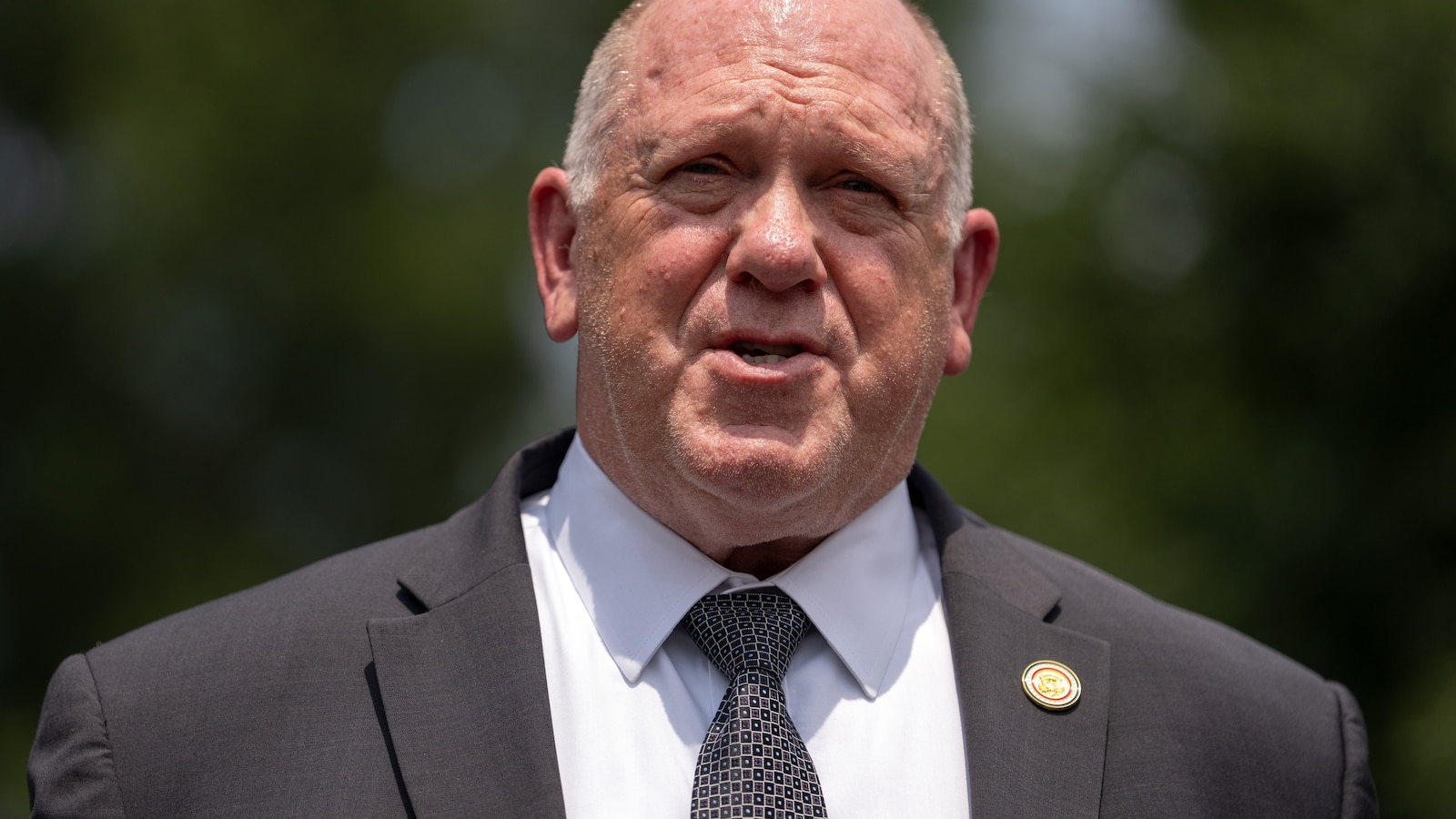
Tom Homan says ICE vetting process is under review after Maine shooting
An ICE agent shot and killed 25-year-old Colombian national Johan Sebastián Durán Guerrero during an operation in Biddeford, Maine on July 13.
An ICE agent shot and killed 25-year-old Colombian national Johan Sebastián Durán Guerrero during an operation in Biddeford, Maine on July 13.
Corroboration
LowMedHigh






Confirmed by 19+ sources.
What This is
- An ICE agent shot and killed 25-year-old Colombian national Johan Sebastián Durán Guerrero during an operation in Biddeford, Maine on July 13.
- Tom Homan said the agent’s vetting is under internal review, including training and internal-affairs processes.
- Relatives and ex-wives have alleged the agent, identified as David Brouillette, had serious mental-health struggles and a history of violent or threatening behavior.
- Homan said that if the allegations are true, the agent should not have passed ICE’s screening process.
- Homeland Security and ICE say administrative investigations are underway, and at least one report says the officer has been placed on leave.
- After the shooting, Homeland Security briefly paused vehicle stops, then President Trump ordered them resumed.
- ICE leadership has directed that vehicle stops include at least one body-worn camera, as lawmakers raise questions about rapid hiring, training, and tactics.
- The Maine Attorney General’s office is conducting a criminal investigation with state and federal involvement, and Durán Guerrero’s family is urging criminal charges.
- Homan said he did not know whether ICE agents involved in the Maine and Texas fatal shootings were still on active duty.
Why This Matters
- Fatal uses of force during immigration enforcement can quickly erode public trust, especially when the person killed was not the intended target.
- The case spotlights how the federal government screens, trains, and supervises armed officers, and what happens when warning signs may be missed.
- Body-camera rules and limits on vehicle stops shape how much the public can verify disputed accounts of what happened in the field.
- It adds pressure on leaders to balance faster enforcement with safety and oversight, which can affect community cooperation with law enforcement.