



IMMIGRATION
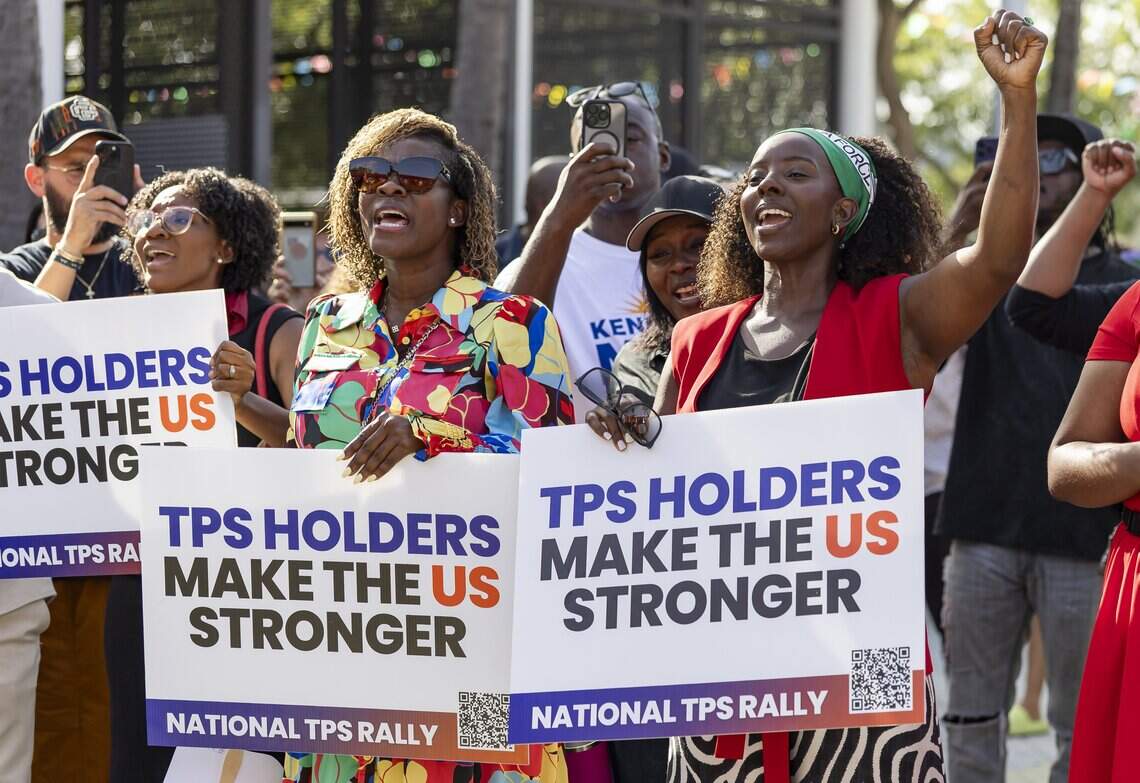
Thousands of Haitian immigrants set to lose Temporary Protected Status
The Supreme Court voted 6-3 to allow the administration to end Temporary Protected Status (TPS) for Haitians and some Syrians, removing a key barrier to ending their protections.
The Supreme Court voted 6-3 to allow the administration to end Temporary Protected Status (TPS) for Haitians and some Syrians, removing a key barrier to ending their protections.





What This is
- The Supreme Court voted 6-3 to allow the administration to end Temporary Protected Status (TPS) for Haitians and some Syrians, removing a key barrier to ending their protections.
- Roughly 300,000 to 350,000 Haitians in the U.S. could lose TPS, a program that has let many stay and work legally since Haiti’s 2010 earthquake.
- If TPS ends, many people would lose work permits and protection from deportation, and some could be detained or removed from the U.S.
- ICE has prepared to increase arrests and deportations of Haitian nationals once TPS protections expire, including operations aimed at communities such as Springfield, Ohio.
- Reports describe fear of family separation and deportation to a Haiti facing severe insecurity, including gang violence, kidnapping risks, and broader instability.
- Some legal breathing room remains: an appeals court issued a short delay on a work-authorization deadline, and the Supreme Court left a narrow path for a constitutional discrimination claim.
- Employers and local officials warn that losing TPS workers could hit healthcare, elder care, and service jobs and disrupt local economies, including in Massachusetts and South Florida.
- Congress has not passed a legislative extension; Senate Republicans blocked a Democratic push to extend Haiti TPS, and candidates in South Florida races are debating what to do next.
- The administration has argued the court ruling confirms TPS is meant to be temporary, while DHS has highlighted deportations that included people convicted of serious crimes.
Why This Matters
- It will shape how much power presidents have to end protections that let immigrants live and work in the U.S.
- It forces a hard choice between strict enforcement and the risk of sending people into danger in a country the U.S. itself describes as unsafe.
- Large, sudden work-permit losses can disrupt hospitals, elder-care facilities, and service businesses that already struggle to hire.
- The fight will test how far local “sanctuary” efforts and community support can protect families when federal enforcement ramps up.