



CIVIL RIGHTS
Tennessee redistricting splits up lone majority-Black district
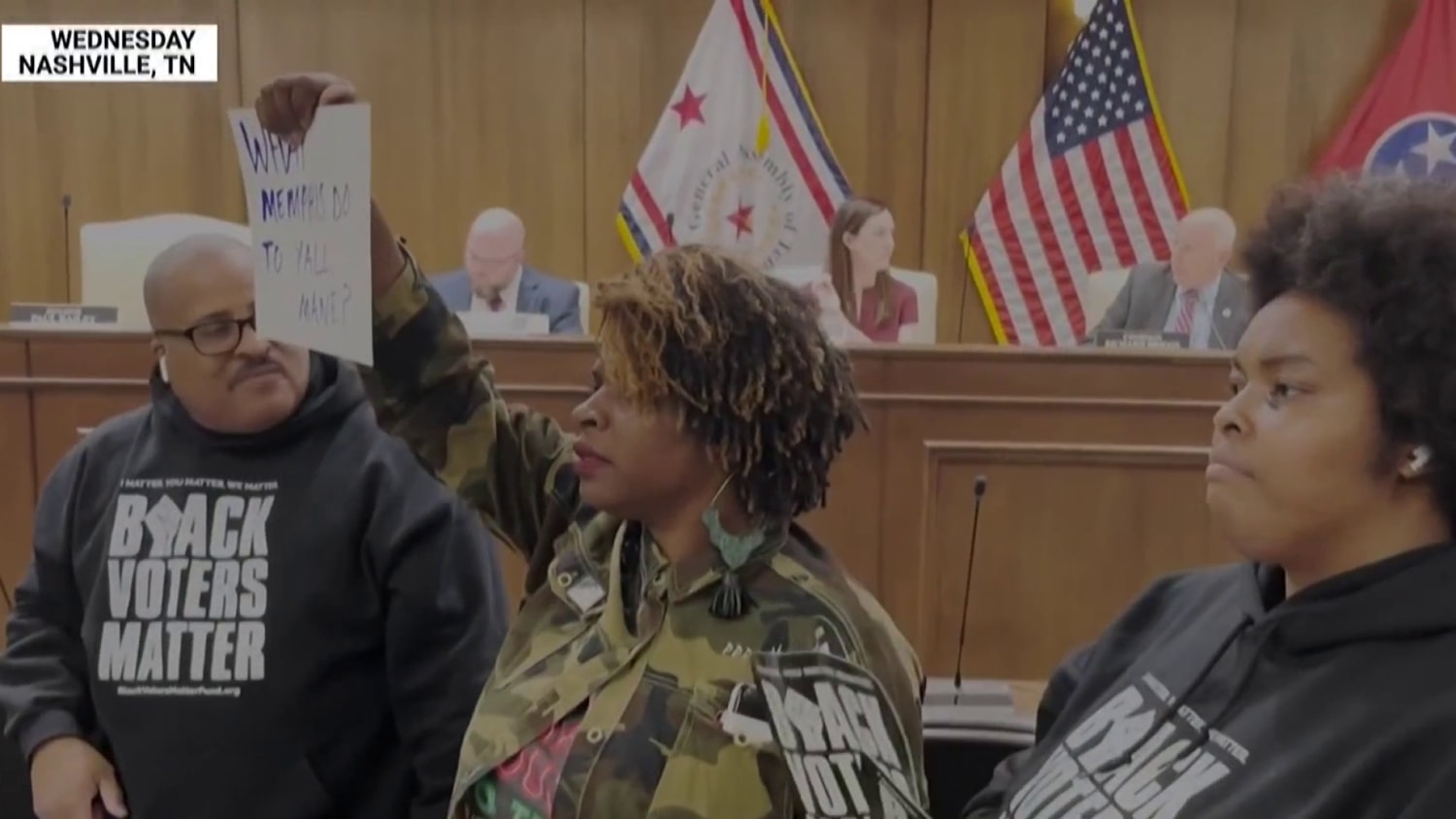
Tennessee enacted a new congressional map that breaks up its only majority-Black U.S. House district in Memphis.
Tennessee enacted a new congressional map that breaks up its only majority-Black U.S. House district in Memphis.
Corroboration
LowMedHigh





Confirmed by 5+ sources.
What This is
- Tennessee enacted a new congressional map that breaks up its only majority-Black U.S. House district in Memphis.
- The plan splits Rep. Steve Cohen’s Memphis-based 9th District into three districts.
- Gov. Bill Lee signed the map, which was approved by Tennessee’s Republican-controlled legislature.
- Civil-rights advocates and Black leaders argue the split dilutes Black voting power and weakens minority representation in Congress.
- The NAACP filed an emergency petition in Davidson County Chancery Court seeking to block the map as unconstitutional for dismantling the majority-Black district.
- Cohen and other critics describe the redraw as a racial and partisan gerrymander and have vowed legal challenges.
- The Tennessee fight follows a U.S. Supreme Court ruling requiring challengers to prove intentional racial discrimination to overturn congressional maps, after the Court struck down a Louisiana map with two majority-Black districts.
- Republican lawmakers in multiple Southern states are pursuing similar redraws that could alter or eliminate majority-Black districts ahead of the midterms.
Why This Matters
- The dispute tests how meaningful federal protections against racially discriminatory district maps remain when courts require proof of intent rather than discriminatory results.
- How Memphis is divided will shape whether Black communities can reliably elect representatives of their choice or are politically outvoted in multiple districts.
- The outcome could accelerate similar map changes across Southern states, affecting the racial and partisan balance of the U.S.
- House.
- Rapid redistricting and emergency court challenges can disrupt election planning, candidate strategy, and voter confidence in fair representation.