



INSIDER TRADING
Suspected insider accounts net $2.4M on Iran war bets with 98% win rate
A cluster of linked Polymarket accounts made more than $2.4 million by placing unusually accurate bets on outcomes tied to the Iran war, raising suspicions that nonpublic information was used.
A cluster of linked Polymarket accounts made more than $2.4 million by placing unusually accurate bets on outcomes tied to the Iran war, raising suspicions that nonpublic information was used.
Corroboration
LowMedHigh






Confirmed by 34+ sources.
What This is
- A cluster of linked Polymarket accounts made more than $2.4 million by placing unusually accurate bets on outcomes tied to the Iran war, raising suspicions that nonpublic information was used.
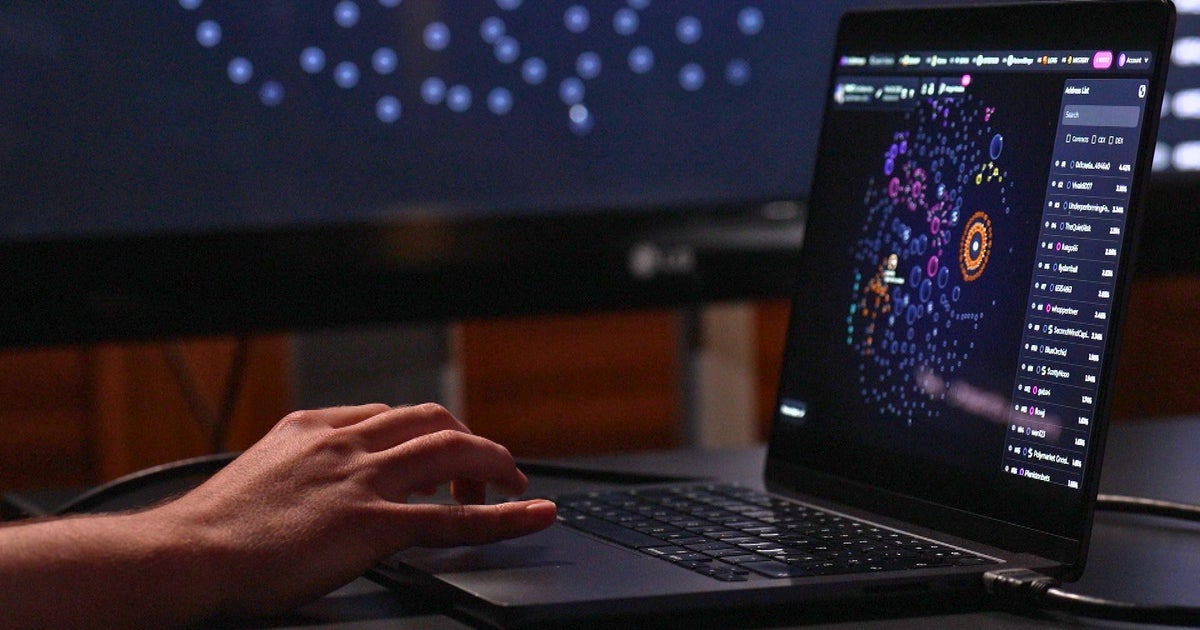
- Bubblemaps said nine related accounts had a 98% win rate on highly specific U.S.-Iran scenarios, a pattern analysts described as too consistent to explain by luck alone.
- House Oversight Chair James Comer opened a congressional probe into Kalshi and Polymarket and demanded records on identity checks, geographic limits, and how the companies detect and investigate suspicious trades.
- Congress is moving toward restrictions on officials’ betting, including a House committee vote to advance a bill that would ban members of Congress and close family from government-related prediction-market trades.
- Kalshi says it is tightening anti-insider-trading controls by requiring some users to disclose their employer before trading in higher-risk markets like corporate performance and major geopolitical events.
Why This Matters
- If insiders can profit from military or government decisions, it undermines public trust and can create incentives to leak or manipulate sensitive information.
- Prediction markets blur the line between public forecasting and profiting from access, raising basic fairness concerns when ordinary users may be trading against people with privileged information.
- How the U.S. regulates these platforms will shape privacy and accountability rules, including whether anonymous crypto-style trading can continue in high-risk markets.