



CIVIL RIGHTS
Supreme Court allows Alabama to use congressional map for 2026 elections
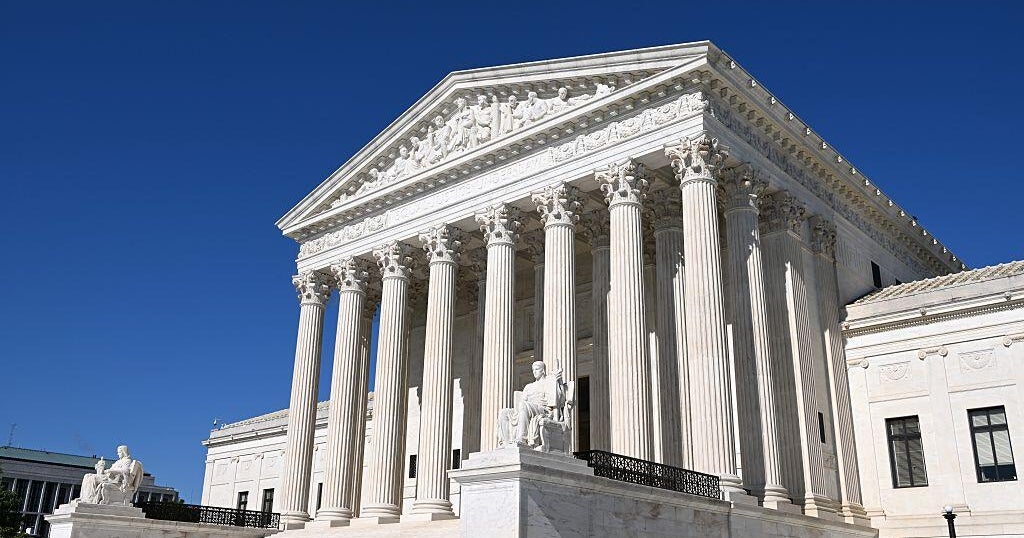
The Supreme Court allowed Alabama to use its 2023 legislature-drawn congressional map for the next elections, pausing a lower-court order that would have blocked it.
The Supreme Court allowed Alabama to use its 2023 legislature-drawn congressional map for the next elections, pausing a lower-court order that would have blocked it.
Corroboration
LowMedHigh






Confirmed by 52+ sources.
What This is
- The Supreme Court allowed Alabama to use its 2023 legislature-drawn congressional map for the next elections, pausing a lower-court order that would have blocked it.
- A three-judge federal panel had found the map intentionally discriminated against Black voters and said it unlawfully diluted their voting power.
- Under the reinstated map, Alabama has one majority-Black district out of seven, instead of the court-ordered plan that would have produced two majority or near-majority Black districts.
- The justices acted through an unsigned emergency order by a 6-3 vote, with the three liberal justices dissenting.
- The Supreme Court sent the case back for further review in light of its recent Louisiana v. Callais decision, which tightened the standard for some Voting Rights Act challenges.
- The Court’s order accepted arguments that the lower court misapplied the Louisiana guidance and that changing maps close to voting could disrupt election administration.
- The map change is expected to strengthen Republicans’ chances of gaining an additional House seat by making one previously Democratic-held district more Republican-leaning.
Why This Matters
- The decision affects how strongly federal courts can protect minority voters when district lines weaken their collective voting power.
- It clarifies that recent Supreme Court doctrine can make it harder to win challenges under the Voting Rights Act, shifting leverage toward state lawmakers.
- Because House control can hinge on a few seats, map disputes in one state can influence national representation and policy outcomes.
- The ruling signals how election-timing concerns can outweigh lower-court findings, shaping when and how voting-rights remedies are available.