



IRAN
Strait of Hormuz standoff escalates after strikes by U.S. and Iran
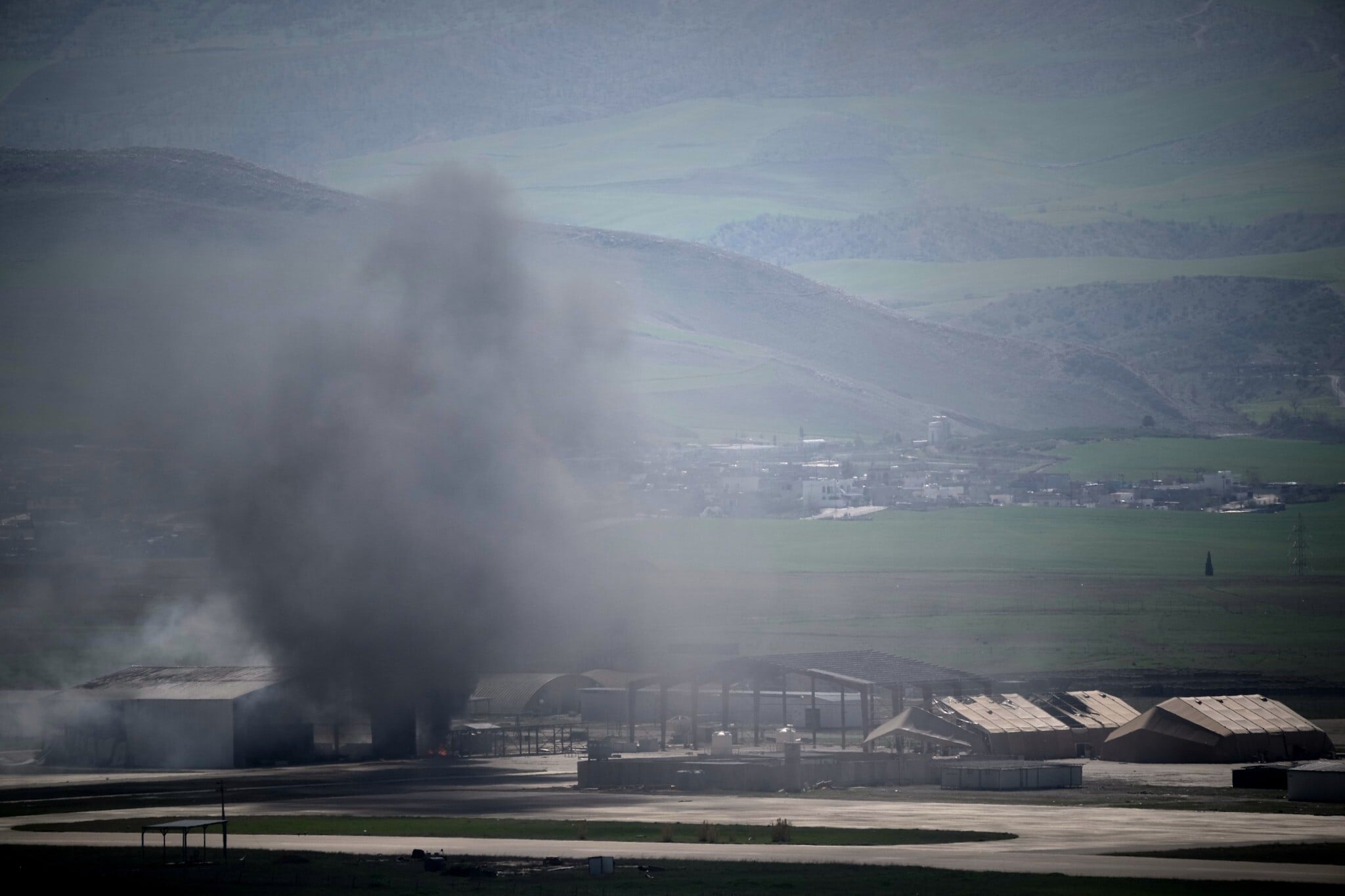
U.S. Central Command says it launched new waves of strikes on Iranian military targets to reduce Iran’s ability to attack ships transiting the strait, including air defenses, coastal radar, missiles, drones, and small boats.
U.S. Central Command says it launched new waves of strikes on Iranian military targets to reduce Iran’s ability to attack ships transiting the strait, including air defenses, coastal radar, missiles, drones, and small boats.
Corroboration
LowMedHigh






Confirmed by 61+ sources.
What This is
- U.S. Central Command says it launched new waves of strikes on Iranian military targets to reduce Iran’s ability to attack ships transiting the strait, including air defenses, coastal radar, missiles, drones, and small boats.
- Iran’s IRGC says it retaliated with missile and drone attacks on U.S.-linked targets and bases across the Gulf, including in Bahrain, Kuwait, Qatar, Oman, Jordan, and the UAE, triggering sirens and air-defense interceptions.
- Ship traffic through the strait has dropped sharply, with some vessels turning off tracking signals, as operators try to reduce risk while attacks and threats continue.
- A mid-June memorandum meant to keep shipping moving has unraveled, with both sides accusing the other of violating it and arguing that vague language led to clashing interpretations of who controls routing and safe passage.
- Oman and Qatar are acting as mediators, and the U.S. is pressing Iran for a public pledge to keep the strait open, while Iran links any reopening to an end to U.S. military actions and other conditions.
- Oil prices have jumped and stocks have fallen as markets price in the risk of disrupted energy supplies, with knock-on effects including currency and bond moves in countries like India.
Why This Matters
- Even partial disruption in Hormuz can quickly raise fuel and shipping costs worldwide because so much oil and gas normally moves through it.
- Strikes on bases in Gulf states raise the odds of a wider war by turning host countries into targets and forcing them to choose how much help to provide the U.S.
- Attacks and ambiguous “rules” for passage increase the danger for civilian crews and can push insurers and shippers to avoid the route even without a total shutdown.