



EU
Rubio seeks to reassure NATO allies about U.S. troop deployment
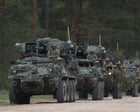
The Trump administration is trying to reassure NATO allies about U.S. force posture in Europe after President Donald Trump said the U.S. will send 5,000 additional troops to Poland.
The Trump administration is trying to reassure NATO allies about U.S. force posture in Europe after President Donald Trump said the U.S. will send 5,000 additional troops to Poland.
Corroboration
LowMedHigh






Confirmed by 12+ sources.
What This is
- The Trump administration is trying to reassure NATO allies about U.S. force posture in Europe after President Donald Trump said the U.S. will send 5,000 additional troops to Poland.
- Trump’s announcement appeared to conflict with recent Pentagon actions and administration comments pointing to a reduction of roughly 4,000–5,000 U.S. troops in Europe and paused or canceled rotations to Poland.
- Defense officials and European allies were left unclear whether the 5,000 troops for Poland would be new forces, a reallocation from elsewhere in Europe, or part of a broader drawdown plan.
- Trump framed the Poland move in personal and political terms, linking it to his relationship with Poland’s leadership and, in one report, to his endorsement of Poland’s new president Karol Nawrocki.
- It remains unclear whether the planned Poland deployment would be rotational or permanent, adding to uncertainty about the U.S. long-term military footprint in Europe.
- Secretary of State Marco Rubio is traveling to a NATO foreign ministers meeting in Sweden amid allied anxiety over U.S. troop levels, and he is expected to push for higher allied defense spending and burden-sharing.
Why This Matters
- NATO deterrence depends on credible plans, and unclear troop decisions can weaken confidence in collective defense.
- Mixed signals on deployments shape how Russia and other adversaries assess the alliance’s resolve and readiness.
- Burden-sharing debates affect European budgets and domestic politics, influencing how quickly allies can fill capability gaps.
- U.S. basing and rotations affect local economies, logistics, and crisis response times across Europe’s eastern flank.