



IRAN
Qatar says there was progress in U.S.-Iran negotiations
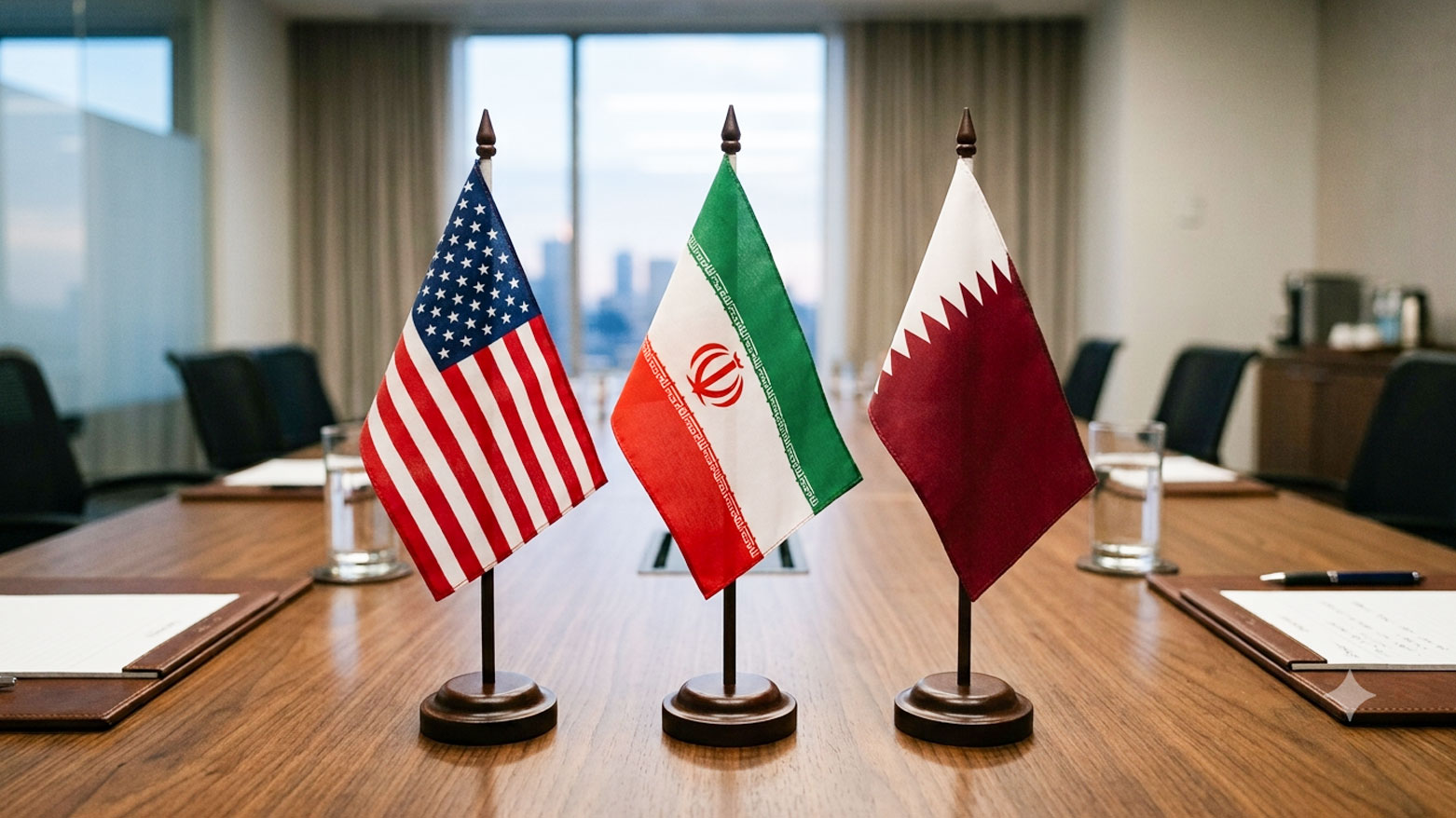
Qatar says indirect U.S.-Iran talks in Doha made progress on carrying out a recent interim memorandum meant to calm fighting and reduce shipping risks in the Strait of Hormuz.
Qatar says indirect U.S.-Iran talks in Doha made progress on carrying out a recent interim memorandum meant to calm fighting and reduce shipping risks in the Strait of Hormuz.
Corroboration
LowMedHigh






Confirmed by 55+ sources.
What This is
- Qatar says indirect U.S.-Iran talks in Doha made progress on carrying out a recent interim memorandum meant to calm fighting and reduce shipping risks in the Strait of Hormuz.
- The discussions were indirect, with Qatari and Pakistani mediators shuttling between separate U.S. and Iranian teams rather than face-to-face meetings.
- A key deliverable is a communication channel to report and discuss alleged violations of the memorandum as incidents continue around the Strait of Hormuz.
- Negotiators focused on maritime passage rules for the Strait of Hormuz, including Iran’s push for more control and possible fees, which the U.S. and Gulf partners reject.
- Talks also covered access to about $6 billion in frozen Iranian funds held in Qatar and how any released money could be spent, such as buying needed goods.
- Iran says it will not enter direct or final talks unless specific memorandum steps are implemented first, including items tied to shipping and sanctions.
- Several reports say the Doha round centered on implementing the interim deal rather than making big decisions on Iran’s nuclear program in this session.
Why This Matters
- The Strait of Hormuz is a global oil choke point, so even small changes in safety rules can move energy prices and shipping costs worldwide.
- If Iran gains practical control over routes or fees, it could shift power in the Gulf and change how other states plan their security and trade.
- Frozen-funds access tests whether partial sanctions relief can buy de-escalation without financing new military activity, a core trust problem in U.S.-Iran relations.
- A working hotline and clear rules can prevent small sea incidents from turning into wider war, especially when both sides are willing to strike quickly.