



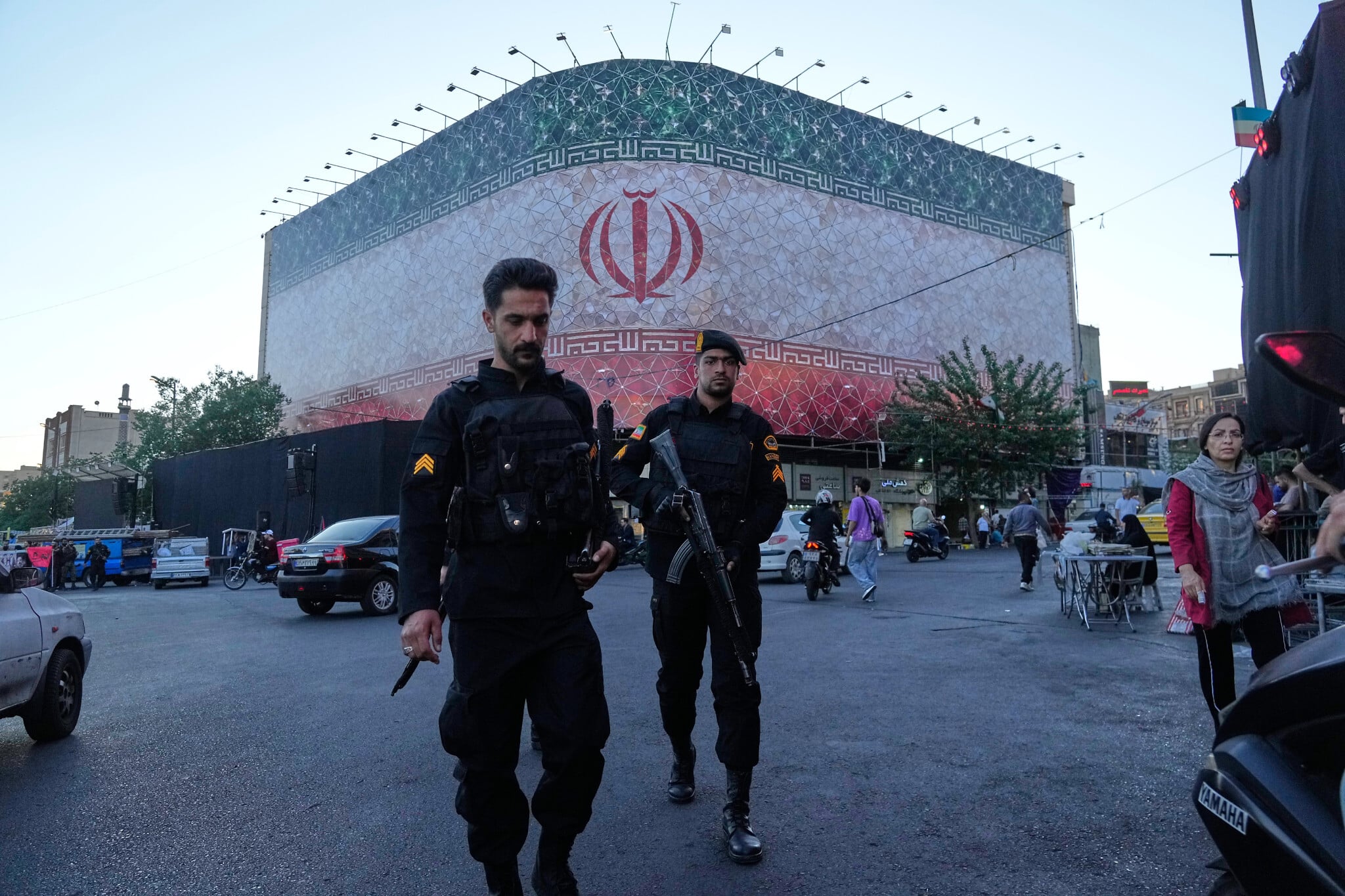
IRAN
President Trump signs memorandum with Iran to end hostilities, reopen Strait of Hormuz
The United States and Iran have signed or are formalizing a 14-point memorandum of understanding meant to end hostilities and open a 60-day window to negotiate a broader nuclear and security agreement.
The United States and Iran have signed or are formalizing a 14-point memorandum of understanding meant to end hostilities and open a 60-day window to negotiate a broader nuclear and security agreement.
Corroboration
LowMedHigh






Confirmed by 94+ sources.
What This is
- The United States and Iran have signed or are formalizing a 14-point memorandum of understanding meant to end hostilities and open a 60-day window to negotiate a broader nuclear and security agreement.
- The memorandum’s core practical aim is reopening the Strait of Hormuz to commercial shipping and ending the U.S. naval blockade, with some provisions described as taking effect within about 30 days and a toll-free passage period during the initial talks.
- On the nuclear file, the text described by U.S. officials has Iran reaffirm it will not pursue nuclear weapons and sets procedures to address highly enriched uranium, including downblending under International Atomic Energy Agency supervision.
- The framework offers Iran significant economic relief through sanctions waivers, renewed oil exports, and possible access to frozen assets, with many benefits described as staged or conditional on compliance during and after the 60-day process.
- Several summaries describe a proposed roughly $300 billion reconstruction or development financing mechanism linked to the deal, with U.S. officials and Trump emphasizing the money would not come directly from the U.S. government.
- Congressional lawmakers from both parties have demanded briefings and pushed for formal review, citing a U.S. law that requires Congress to receive any agreement dealing with Iran’s nuclear program.
- Implementation questions remain acute, including mine clearance, security guarantees, insurance costs, and shipping companies’ reluctance to resume normal transits even if the strait is declared open.
- The memorandum is entangled with violence in Lebanon, with Iran publicly tying the deal to Israeli withdrawal from parts of southern Lebanon and Israel rejecting being bound by terms it says it has not seen.
Why This Matters
- The deal tests whether a short, politically framed document can prevent renewed war when core nuclear, sanctions, and regional-security issues are deferred.
- How the Strait of Hormuz is secured and governed matters for global energy prices, inflation, and supply-chain reliability far beyond the region.
- Conditional sanctions relief versus verifiable nuclear limits is a high-stakes credibility issue for U.S. deterrence and future nonproliferation negotiations.
- Disputes involving Lebanon and Israel highlight how ceasefires can fail when key armed actors are not formal parties to the agreement.