



INFLATION
President Trump says he 'loves' higher inflation as consumer prices rise
President Trump said he “loves the inflation” after a May report showed consumer prices rising 4.2% from a year earlier amid higher energy costs tied to the war involving Iran.
President Trump said he “loves the inflation” after a May report showed consumer prices rising 4.2% from a year earlier amid higher energy costs tied to the war involving Iran.
Corroboration
LowMedHigh






Confirmed by 17+ sources.
What This is
- President Trump said he “loves the inflation” after a May report showed consumer prices rising 4.2% from a year earlier amid higher energy costs tied to the war involving Iran.
- May inflation rose for a third straight month, with energy and war-related shipping costs pushing up prices across many goods.
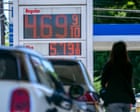
- Energy prices were a major driver, with national gas prices around $4.15 per gallon and energy accounting for about 60% of the monthly CPI gain.
- The White House framed the price spike as temporary and blamed the Iran conflict, arguing inflation should ease once the war ends.
- Trump claimed a secret operation moved over 100 million barrels of oil through the Strait of Hormuz to ease supply pressures, but there was no immediate evidence and markets treated it cautiously as crude traded near $92 a barrel.
- House Speaker Mike Johnson said Trump’s comment was taken out of context and claimed Trump meant inflation would look better in upcoming data.
- Inflation and strong jobs data increased market expectations that the Federal Reserve could raise interest rates, putting pressure on new Fed chair Kevin Warsh as he heads into his first policy meeting.
- Trump argued the Federal Reserve would be wrong to raise rates and urged lowering borrowing costs even as markets weighed inflation risks.
- Rising prices and the Iran conflict have created political strains for Republicans, including warnings about election risk and criticism from former Rep. Marjorie Taylor Greene over affordability and the war.
Why This Matters
- Higher inflation directly erodes purchasing power, especially for households that spend a larger share on gasoline, food, and essentials.
- If investors expect inflation to persist, borrowing costs can rise economy-wide, affecting mortgages, business investment, and government interest expenses.
- Political leaders’ messaging on inflation shapes public trust in economic stewardship and can influence electoral accountability for war and fiscal choices.
- War-driven energy shocks test how resilient the economy is to external disruptions and how well institutions can stabilize prices without causing recession.