



NATIONAL SECURITY
President Trump nominates Jay Clayton as Director of National Intelligence
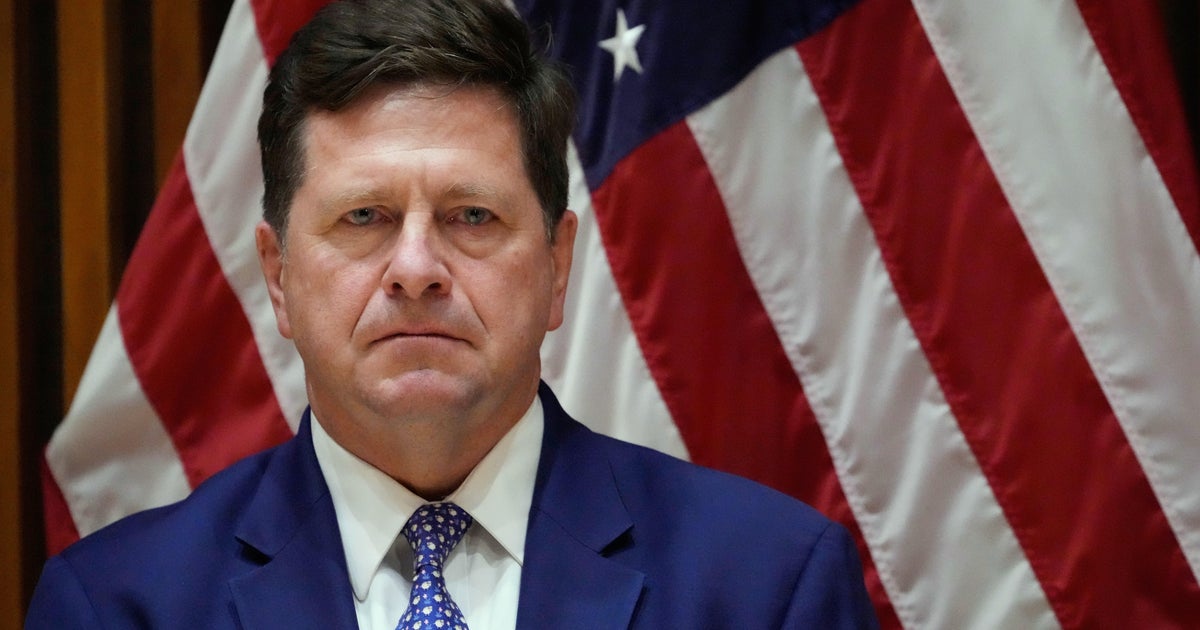
President Donald Trump nominated Jay Clayton to be the next Director of National Intelligence, the official who oversees and coordinates the U.S. intelligence community.
President Donald Trump nominated Jay Clayton to be the next Director of National Intelligence, the official who oversees and coordinates the U.S. intelligence community.
Corroboration
LowMedHigh






Confirmed by 14+ sources.
What This is
- President Donald Trump nominated Jay Clayton to be the next Director of National Intelligence, the official who oversees and coordinates the U.S. intelligence community.
- Clayton is the U.S. attorney for the Southern District of New York and previously chaired the Securities and Exchange Commission.
- The nomination follows bipartisan backlash to Bill Pulte serving as acting intelligence chief despite lacking national security experience.
- Trump urged the Senate to confirm Clayton quickly, meaning the appointment will depend on Senate approval.
- Pulte’s acting role and the DNI transition became entangled with a congressional fight over renewing a major foreign surveillance authority, with lawmakers linking the two issues in negotiations.
- The DNI post opened after Tulsi Gabbard left the job, with outlets differing on whether she resigned and on the timing of her departure.
- The House rejected a short-term extension related to the expiring surveillance authority shortly before or around the time of the nomination announcement.
Why This Matters
- The Director of National Intelligence shapes what threats reach the president and how 18 intelligence agencies share information, so leadership instability can disrupt coordination.
- Senate confirmation tests congressional oversight of intelligence leadership and can constrain executive choices through vetting and conditions.
- Linking leadership changes to renewal of foreign surveillance authorities raises the stakes for both national security collection and civil-liberties safeguards.
- Choosing a legal and financial-regulatory veteran rather than an intelligence professional highlights ongoing debate about what expertise is most important in running the intelligence community.