



NATIONAL SECURITY
President Trump appoints Bill Pulte as acting director of national intelligence
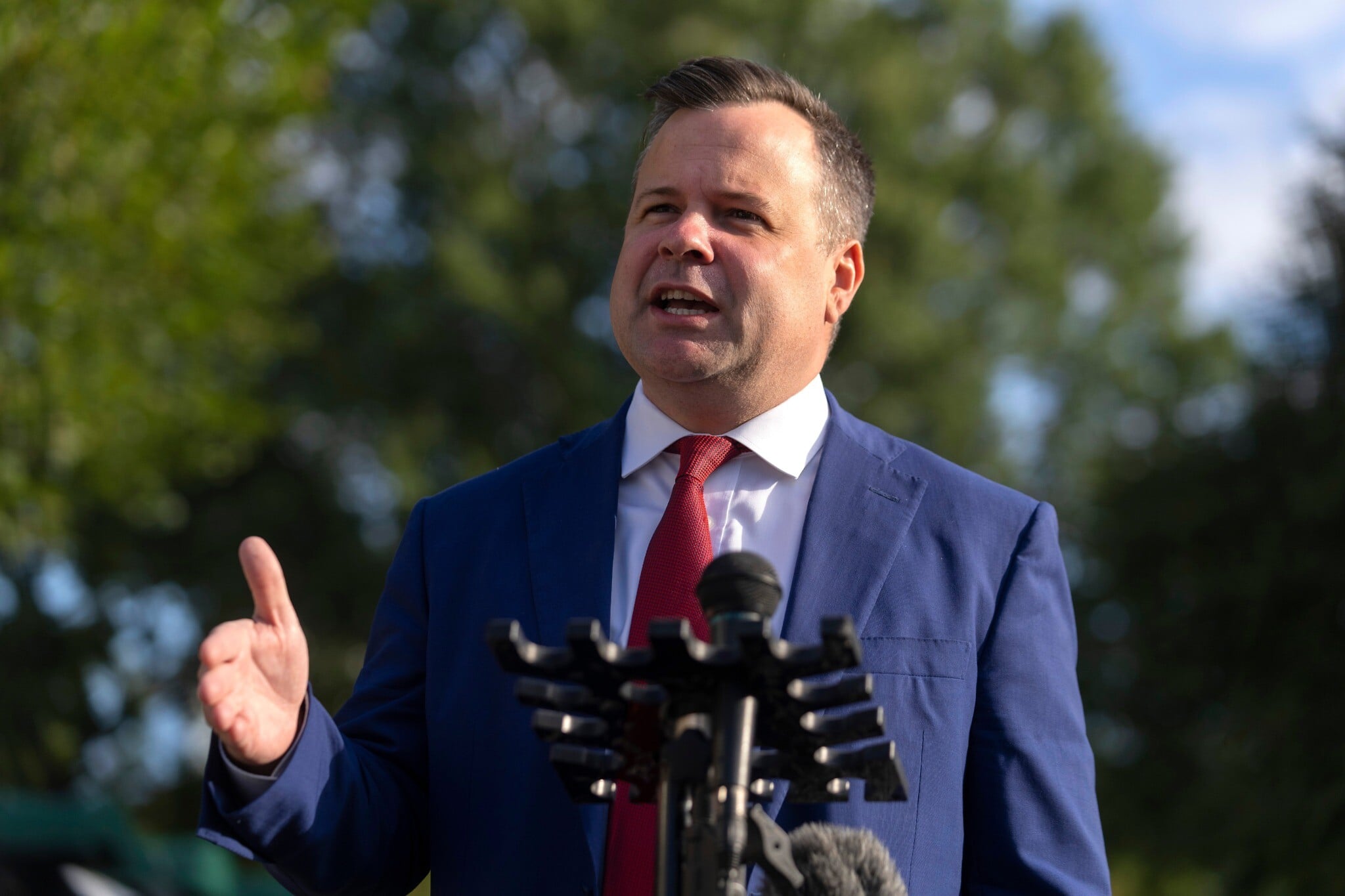
President Donald Trump appointed Bill Pulte, the head of the Federal Housing Finance Agency, as acting director of national intelligence to replace Tulsi Gabbard.
President Donald Trump appointed Bill Pulte, the head of the Federal Housing Finance Agency, as acting director of national intelligence to replace Tulsi Gabbard.
Corroboration
LowMedHigh






Confirmed by 15+ sources.
What This is
- President Donald Trump appointed Bill Pulte, the head of the Federal Housing Finance Agency, as acting director of national intelligence to replace Tulsi Gabbard.
- Gabbard’s departure was framed as a resignation, and she is expected to leave the intelligence post on June 30.
- Pulte is expected to keep his housing-finance roles while serving as acting intelligence chief, including oversight of Fannie Mae and Freddie Mac.
- The appointment is controversial because Pulte has little publicly known national-security or intelligence leadership experience.
- Senators from both parties raised concerns about politicization of intelligence and warned against a “weaponized” director of national intelligence.
- Critics cited Pulte’s tenure at the housing regulator, including politically charged social-media attacks and referrals seeking investigations, as a reason for increased scrutiny.
- Because the role is “acting,” Pulte can lead the intelligence office without Senate confirmation, while any permanent nominee would require confirmation hearings.
- Trump defended the choice by arguing Pulte’s experience managing sensitive matters in housing finance translates to coordinating the U.S. intelligence community.
Why This Matters
- The director of national intelligence influences what threats reach the president and how agencies align, so leadership choices can shape national security priorities and risk tolerance.
- Installing an acting leader without Senate confirmation tests checks on executive power and can weaken legislators’ ability to demand vetting, disclosure, and accountability.
- If intelligence is perceived as politically directed, it can distort decision-making and erode trust inside agencies and among U.S. allies who share sensitive information.
- Allowing one official to hold major finance and intelligence roles at once raises governance and conflict-of-interest questions about attention, access, and use of sensitive data.