



CANADA
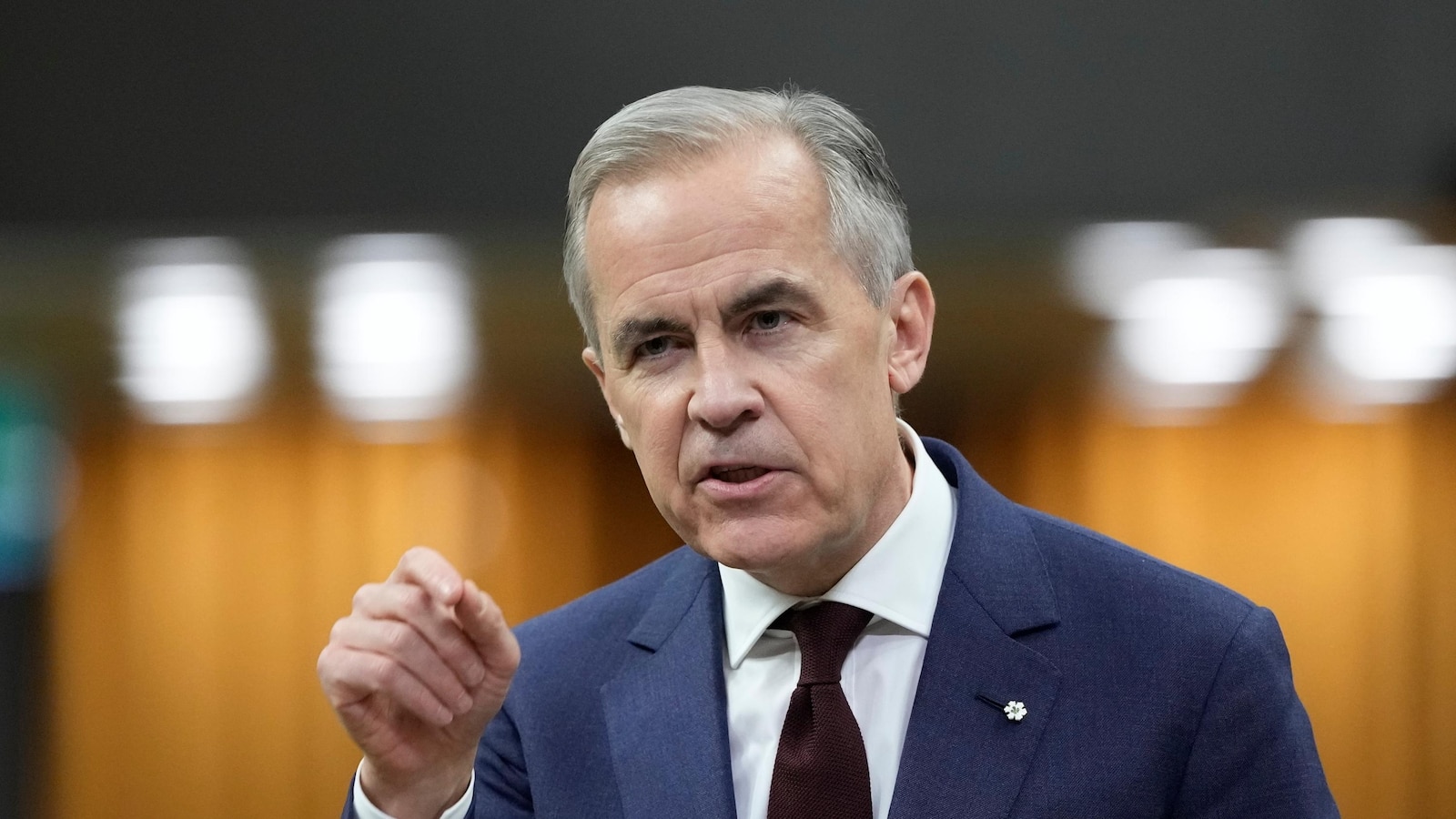
PM Mark Carney warns trade with the U.S. is a weakness
Prime Minister Mark Carney says Canada’s historically close economic ties with the United States have become a strategic weakness that must be corrected.
Prime Minister Mark Carney says Canada’s historically close economic ties with the United States have become a strategic weakness that must be corrected.
Corroboration
LowMedHigh






Confirmed by 14+ sources.
What This is
- Prime Minister Mark Carney says Canada’s historically close economic ties with the United States have become a strategic weakness that must be corrected.
- Carney links the vulnerability to shifts in U.S. trade policy and higher tariffs under President Donald Trump that have disrupted supply chains and discouraged investment.
- He says the tariffs are harming or threatening Canadian workers and industries, including autos, steel, aluminum, lumber and related manufacturing.
- Carney’s response is to diversify Canada’s trade and investment partners so the country is less dependent on a single market.
- He highlights expanding ties beyond the U.S., including closer trade links with China and a recently cited deal with China.
- Carney outlines domestic measures to strengthen resilience, including attracting investment, cutting taxes, increasing defence spending, and expanding clean-energy capacity.
- He also emphasizes removing internal trade barriers and improving housing affordability as part of a broader plan to strengthen the domestic economy.
- The push comes ahead of a scheduled July review of the U.S.-Canada-Mexico trade pact, adding urgency to Canada’s strategy shift.
Why This Matters
- Canada’s dependence on one dominant trading partner raises national vulnerability when policy shifts occur outside Canadian control.
- Diversifying trade can reshape jobs, prices, and investment decisions, especially in export-heavy regions tied to autos, metals, and forestry.
- How Canada responds tests federal capacity to coordinate reforms across provinces, including easing internal barriers that limit domestic growth.
- Balancing new partnerships, including with China, against security and values concerns can redefine Canada’s foreign-policy posture.
- The approach signals how Canada may negotiate upcoming continental trade talks and what leverage it can realistically build.