



NATIONAL SECURITY
Pete Hegseth criticizes Navy secretary over pause of Taiwan arms shipment
Defense Secretary Pete Hegseth faced questions in Asia about a U.S. pause on a major Taiwan arms package and what it signals about U.S. commitment in the Indo-Pacific.
Defense Secretary Pete Hegseth faced questions in Asia about a U.S. pause on a major Taiwan arms package and what it signals about U.S. commitment in the Indo-Pacific.




What This is
- Defense Secretary Pete Hegseth faced questions in Asia about a U.S. pause on a major Taiwan arms package and what it signals about U.S. commitment in the Indo-Pacific.
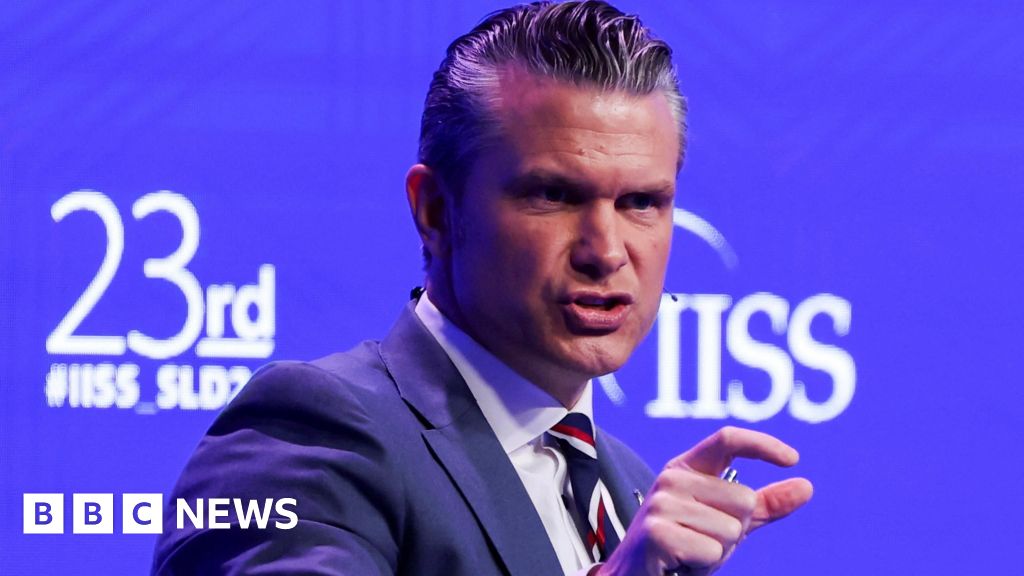
- At the Shangri-La Dialogue in Singapore, Hegseth said the United States remains committed to Indo-Pacific security and would not allow China to dominate the region.
- Hegseth softened his earlier rhetoric about China while still warning about China’s military buildup and emphasizing deterrence.
- He said there was no change in U.S. policy toward Taiwan while providing few details on future Taiwan arms sales and saying the decision ultimately rests with the president.
- The administration has linked the Taiwan pause and delayed Tomahawk missile deliveries to Japan to munitions reviews and diplomatic strategy.
- Hegseth sought to reassure allies about U.S. arms commitments after the temporary suspension of a roughly $14 billion Taiwan package and said the United States has sufficient munitions and production capacity.
- Hegseth urged Asian partners to raise defense spending, including citing a 3.5% of GDP target for military budgets.
Why This Matters
- Taiwan arms timing shapes deterrence by affecting whether China believes the military balance is shifting.
- Allies’ confidence in U.S. commitments can rise or fall based on whether promised weapons arrive on schedule.
- Linking arms deliveries to munitions reviews highlights the tradeoff between meeting global crises and sustaining Indo-Pacific readiness.
- Defense-spending pressure tests alliance politics by shifting more security burden to regional partners.
- Ambiguity over Taiwan policy can reduce escalation risk or create miscalculation if intentions are misunderstood.