



IRAN
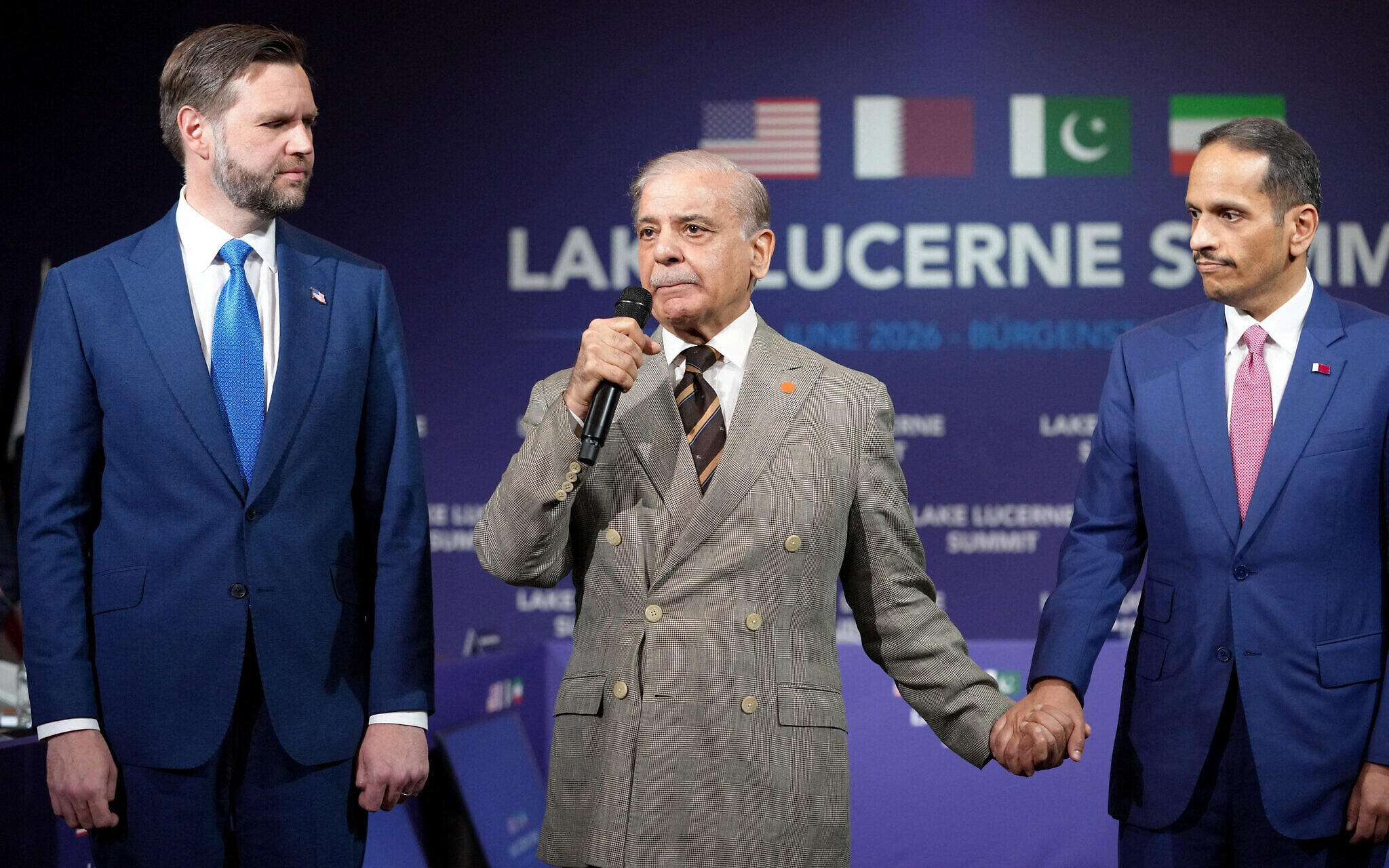
Pakistan and Qatar mediate US-Iran talks in Switzerland
The United States and Iran held Switzerland talks mediated by Pakistan and Qatar to implement a memorandum and pursue a broader “final deal” on a 60-day timeline.
The United States and Iran held Switzerland talks mediated by Pakistan and Qatar to implement a memorandum and pursue a broader “final deal” on a 60-day timeline.
Corroboration
LowMedHigh






Confirmed by 64+ sources.
What This is
- The United States and Iran held Switzerland talks mediated by Pakistan and Qatar to implement a memorandum and pursue a broader “final deal” on a 60-day timeline.
- The talks created a High Level Committee, technical working groups, and a roadmap intended to reach a comprehensive agreement within 60 days, with technical negotiations set to continue.
- The delegations agreed to set up a Lebanon “deconfliction cell,” involving Lebanese officials, to help stop or prevent renewed hostilities in southern Lebanon.
- They also established a communication line for the Strait of Hormuz aimed at preventing incidents and supporting safe commercial passage during the 60-day period.
- Iran repeatedly announced it had closed or reclosed the Strait of Hormuz, while U.S. officials disputed that commercial traffic had been fully halted.
- Public threats from President Trump over Hezbollah and the strait repeatedly disrupted the diplomacy and contributed to walkouts, pauses, and postponements around some sessions.
- A central set of issues includes Iran’s nuclear program, sanctions relief and oil exports, and the handling of frozen Iranian assets, with Iran and the U.S. describing financial steps differently.
- Renewed Israel–Hezbollah fighting threatened the framework, delayed or complicated follow-on sessions, and led Iran to warn it would not advance talks without a durable halt in Lebanon.
Why This Matters
- A workable channel between Washington and Tehran lowers the risk of miscalculation in a region where a single incident can escalate into wider war.
- Stability in the Strait of Hormuz matters globally because disruptions quickly translate into higher fuel and shipping costs and broader inflation pressure.
- The negotiations test whether ceasefires can be insulated from third-party conflicts like Israel–Hezbollah fighting, which can veto diplomacy in practice.
- Disputes over sanctions relief and frozen funds raise governance and legitimacy questions about what counts as a fair exchange for security concessions.