



ENERGY
Over 83,000 homes and buildings remain without power in Northwest Indiana
Nearly two weeks after Aug. 11 severe storms hit northwest Indiana, NIPSCO is still restoring electricity as tens of thousands of customers—especially in Gary—remain without power and full restoration there is projected around Aug. 25.
Nearly two weeks after Aug. 11 severe storms hit northwest Indiana, NIPSCO is still restoring electricity as tens of thousands of customers—especially in Gary—remain without power and full restoration there is projected around Aug. 25.





What This is
- Severe storms last week brought destructive winds, flooding, and tornado damage across Northwest Indiana and the Chicago area.
- More than a week after the Aug. 11 storms, NIPSCO said about 68,000 to 75,000 customers in northwest Indiana were still without power.
- Gary has been one of the hardest-hit places, with NIPSCO reporting more than 22,000 customers there still without electricity about 10 days after the storm.
- Local officials said the storm destroyed hundreds of utility poles and knocked out multiple substations, meaning parts of the grid need major rebuilding.
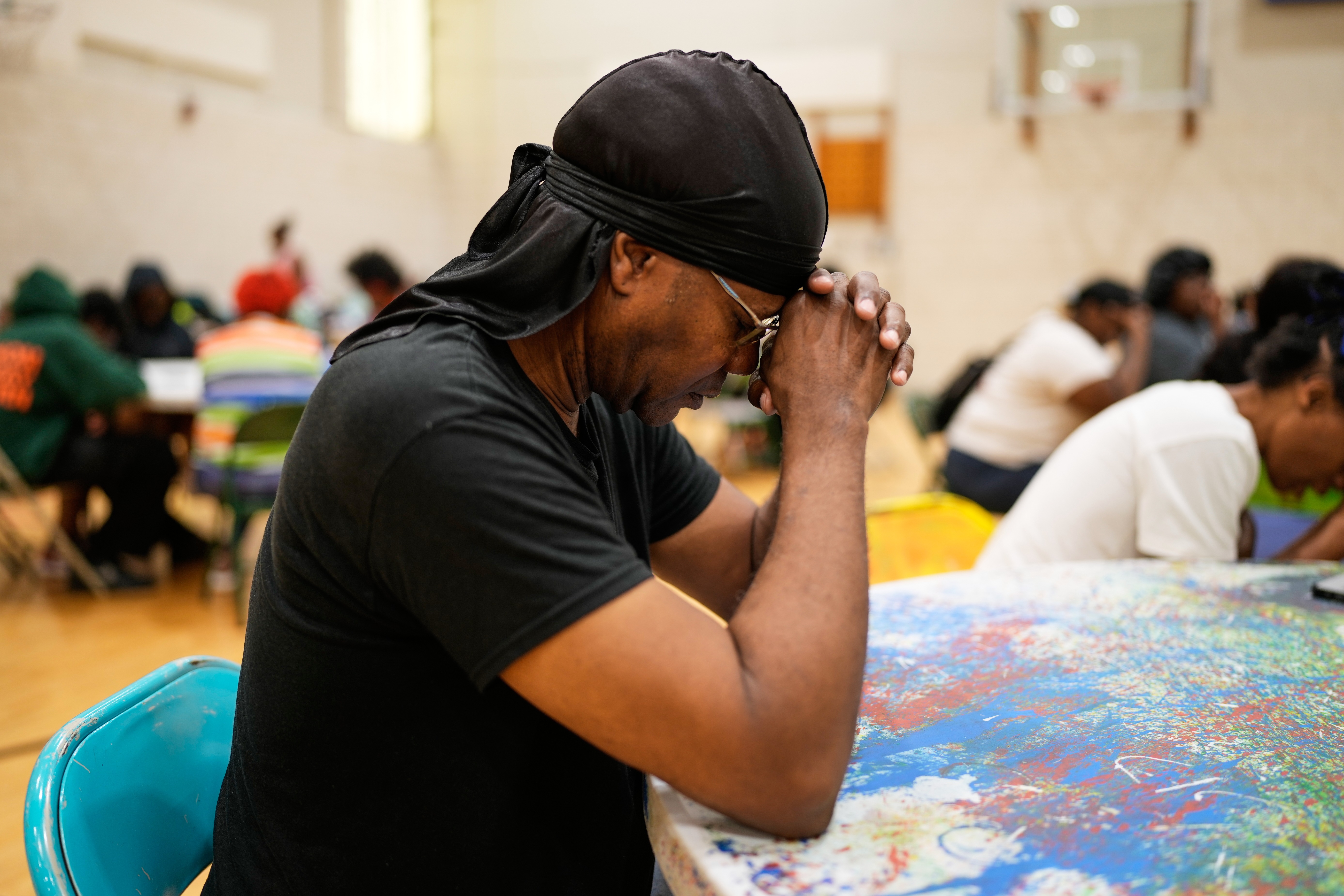
- The outage has spoiled food, closed or disrupted schools and businesses, and pushed residents to seek charging stations, meals, and other local relief.
- Officials and experts warned that generator use can be deadly if used wrong, including carbon monoxide poisoning risks, and that outages can endanger people who need powered medical equipment or refrigerated medicines.
Why This Matters
- When outages last many days, they can become a public health threat, especially for people who need powered medical devices, safe cooling, or refrigerated medicines.
- Long blackouts hit low-income households hardest because replacing food, buying fuel, and missing work or school can quickly become unaffordable.
- Repeated delays and changing restoration estimates can erode trust in utilities and local leaders, and they can drive demands for clearer communication and better emergency planning.