



ELECTIONS
NY polls open for multiple high-stakes Congressional races
New Yorkers are voting in multiple high-stakes congressional primaries that could shape the state’s November House matchups and the Democratic Party’s direction.
New Yorkers are voting in multiple high-stakes congressional primaries that could shape the state’s November House matchups and the Democratic Party’s direction.
Corroboration
LowMedHigh






Confirmed by 25+ sources.
What This is
- New Yorkers are voting in multiple high-stakes congressional primaries that could shape the state’s November House matchups and the Democratic Party’s direction.
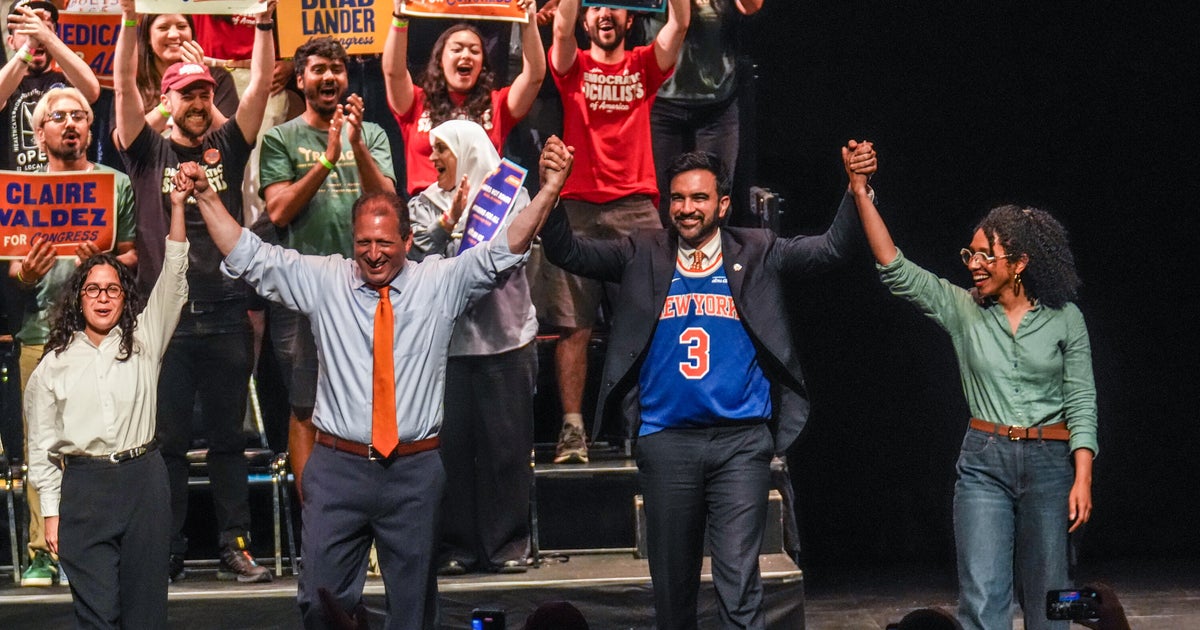
- Several races are being treated as a test of New York City Mayor Zohran Mamdani’s influence after he endorsed and campaigned for progressive and democratic-socialist candidates challenging establishment-aligned Democrats.
- A marquee Democratic primary in New York’s 10th District pits incumbent Rep. Dan Goldman against progressive challenger Brad Lander, with notable endorsements and splits inside organized labor.
- In New York’s 13th District, incumbent Rep. Adriano Espaillat faces Mamdani-backed challenger Darializa Avila Chevalier in a race colored by scrutiny of her past social media posts and Israel-related statements.
- New York’s open 12th District primary to replace retiring Rep. Jerry Nadler is crowded and has drawn heavy outside spending, with Israel policy and major-donor involvement featuring prominently.
- Outside money is a major factor, including significant spending by rival artificial-intelligence industry factions in a New York House primary and by groups active in Israel-related politics.
- Other contests include progressive challenges in districts such as NY-7 and competitive races in districts like NY-17 and NY-21 that are being watched for broader implications for House control.
- The ballot also includes a contested Democratic primary for state comptroller along with numerous state legislative, judicial, and party contests, with turnout dynamics drawing attention.
Why This Matters
- These primaries can set the ideological and policy priorities of Democratic nominees in districts where the winner often becomes the next member of Congress.
- They are an early measure of whether progressive and democratic-socialist candidates can broaden influence within New York’s delegation beyond deep-blue bases.
- Heavy outside spending raises questions about how much wealthy donors and organized interests can shape candidate selection and future legislative agendas.
- High-salience foreign policy divisions, especially over Israel and Gaza, are influencing coalition-building and could affect party unity and governance after the election.