



INFLATION
New Fed Chair faces early rate decisions amid inflation
New Federal Reserve Chair Kevin Warsh is making his first rate decision as inflation has climbed and markets debate whether the next move is a hold, hike, or delayed cut.
New Federal Reserve Chair Kevin Warsh is making his first rate decision as inflation has climbed and markets debate whether the next move is a hold, hike, or delayed cut.
Corroboration
LowMedHigh






Confirmed by 67+ sources.
What This is
- New Federal Reserve Chair Kevin Warsh is making his first rate decision as inflation has climbed and markets debate whether the next move is a hold, hike, or delayed cut.
- The Fed is widely expected to keep its policy rate around 3.5%–3.75% (about 3.6%) at Warsh’s debut meeting, with investors focused on the statement, forecasts, and press conference.
- May consumer inflation accelerated to about 4.2% year-over-year, the highest in roughly three years, while core CPI was closer to 2.9%.
- Energy prices have been a major recent inflation driver, with oil-market disruptions linked to conflict around Iran and the Strait of Hormuz and some reports noting tariffs as an added contributor.
- A stronger-than-expected May jobs report of about 172,000 new jobs and 4.3% unemployment has pushed market pricing toward higher-for-longer rates and increased odds of a hike later this year.
- Some analysts argue a tentative U.S.-Iran framework and falling oil prices could ease near-term inflation pressure, though they warn the agreement is not final and shocks could return.
- Warsh is signaling a shift toward less forward guidance and more restrained Fed communications, including potential changes to projections and how strongly the Fed telegraphs future moves.
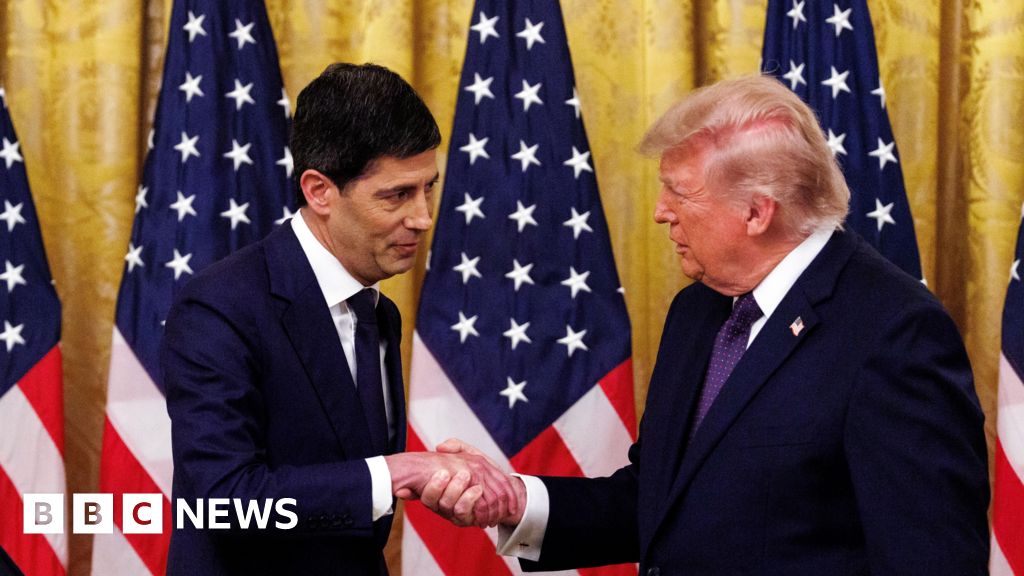
- Political pressure is a central backdrop, with President Trump publicly urging lower rates while also emphasizing Fed independence and officials warning that perceived interference could harm credibility.
Why This Matters
- The Fed’s early choices under new leadership can reset inflation expectations, which heavily influence prices and wage demands.
- Higher-for-longer rates raise borrowing costs for households and firms, shaping growth, hiring, and recession risk.
- If markets doubt the Fed’s independence from elected officials, investors may demand higher yields, making financing costlier economy-wide.
- Energy-driven inflation tests whether central banks should treat supply shocks as temporary or prevent spillovers that persist.
- Changes to Fed transparency and guidance can increase volatility, affecting savings, pensions, and investment decisions.