



ISRAEL PALESTINE
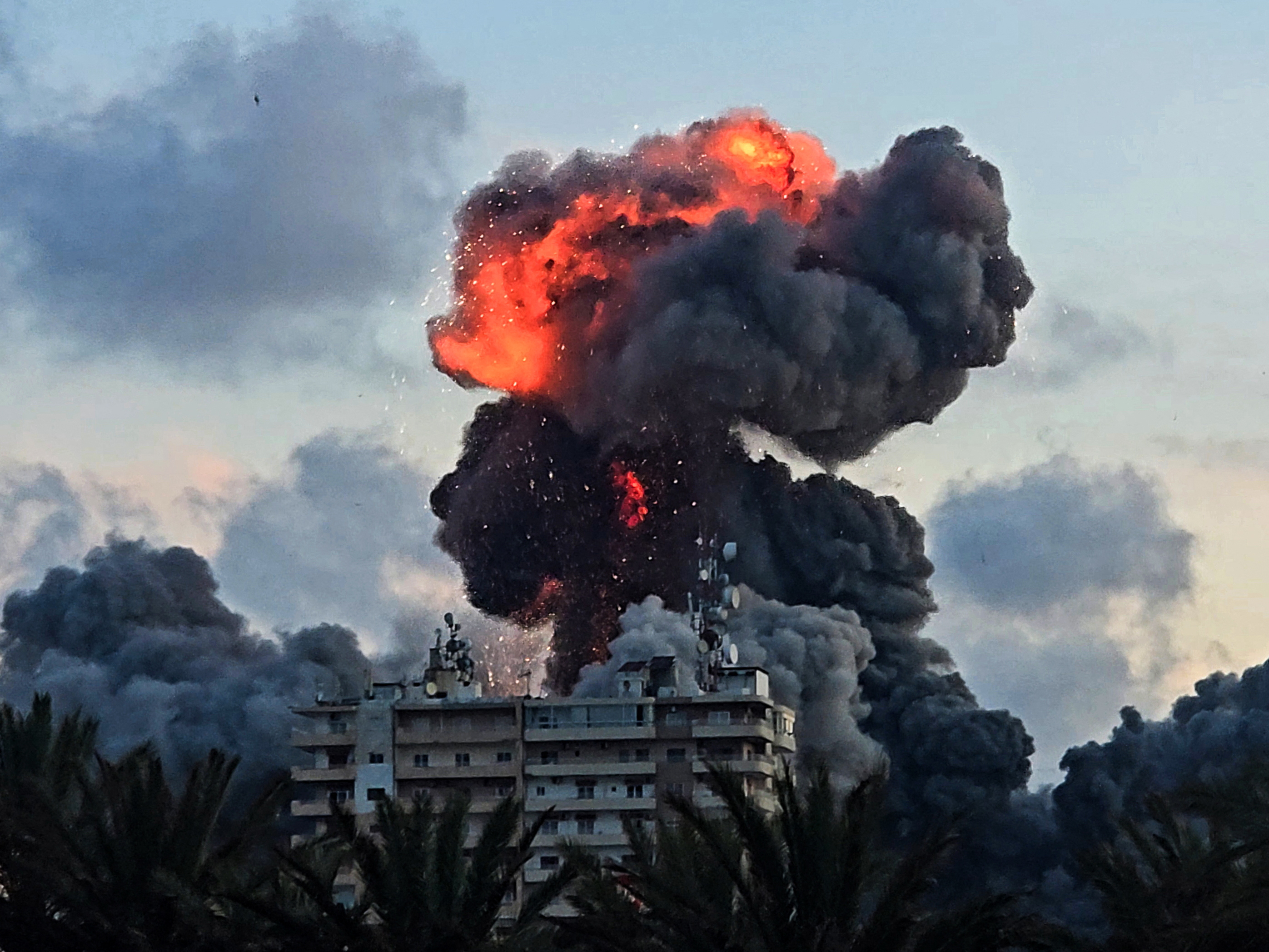
Netanyahu orders strikes on Hezbollah targets in Beirut
Benjamin Netanyahu ordered an expanded Israeli offensive against Hezbollah in Lebanon that includes deeper ground operations in the south and renewed airstrikes near Beirut.
Benjamin Netanyahu ordered an expanded Israeli offensive against Hezbollah in Lebanon that includes deeper ground operations in the south and renewed airstrikes near Beirut.
Corroboration
LowMedHigh






Confirmed by 48+ sources.
What This is
- Benjamin Netanyahu ordered an expanded Israeli offensive against Hezbollah in Lebanon that includes deeper ground operations in the south and renewed airstrikes near Beirut.
- Israeli troops crossed north of the Litani River and seized the Beaufort Castle area near Nabatieh, described as Israel’s deepest push into Lebanon in more than 25 years.
- Israel struck a southern suburb of Beirut for the first time in weeks, with Israel describing it as a targeted strike linked to Hezbollah-aligned forces.
- Hezbollah continued firing rockets, missiles and drones into northern Israel, prompting tightened Israeli civilian restrictions including school closures near the border.
- Lebanese officials reported heavy casualties from Israeli strikes across southern Lebanon, including in Tyre, Sidon and Adloun, with reported deaths including children and a Lebanese soldier.
- Israel issued expanded evacuation warnings and declared areas south of the Zahrani River a combat zone, contributing to mass displacement in Lebanon.
- The United States pushed a de-escalation plan in which Hezbollah would halt attacks and Israel would refrain from escalation in Beirut, but Lebanese responses were mixed and the effort stalled.
- The escalation in Lebanon is complicating parallel U.S.–Iran negotiations, with Iran linking any deal to an end to fighting in Lebanon.
Why This Matters
- Strikes near Beirut and a deeper ground push raise the risk of a wider Israel–Hezbollah war that could overwhelm Lebanon’s state institutions and pull in external backers.
- The combination of evacuations, civilian casualties, and displacement intensifies humanitarian strain and increases long-term instability and radicalization risks on both sides of the border.
- U.S.-hosted Israel–Lebanon security talks test whether ceasefire enforcement and Hezbollah weapons limits can be pursued through state channels without triggering internal Lebanese conflict.