



MARKETS
Musk’s SpaceX Surpasses Amazon in Market Value
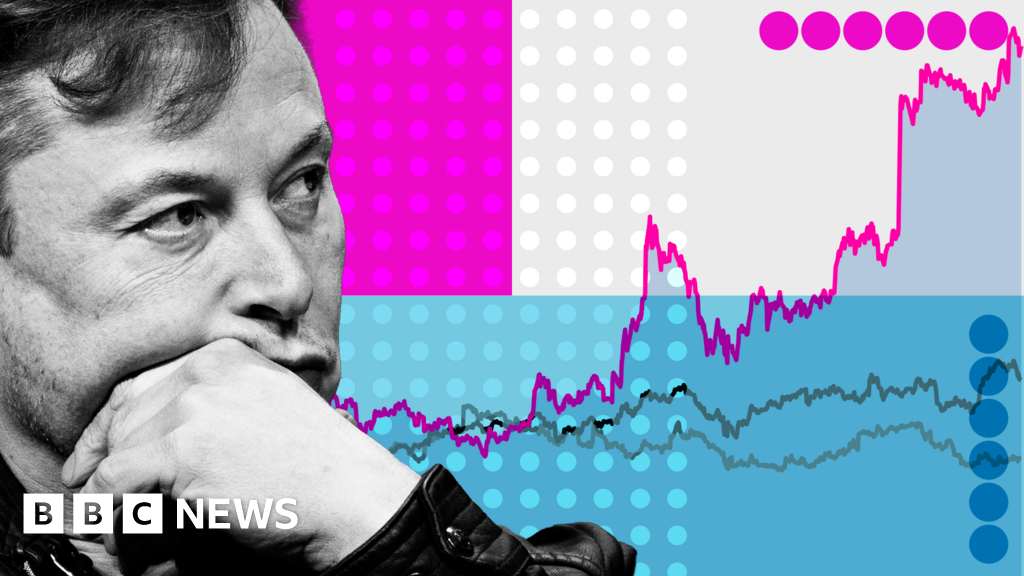
SpaceX’s stock-market debut pushed its market value above $2 trillion, briefly surpassing Amazon’s valuation.
SpaceX’s stock-market debut pushed its market value above $2 trillion, briefly surpassing Amazon’s valuation.





What This is
- SpaceX’s stock-market debut pushed its market value above $2 trillion, briefly surpassing Amazon’s valuation.
- The IPO raised about $75 billion, making it the largest IPO on record, and heavy early trading drove sharp first-day gains.
- The jump in SpaceX’s valuation helped lift Elon Musk’s paper net worth to roughly $1.1 trillion, widely described as the first trillionaire status.
- SpaceX agreed to buy the AI coding company behind Cursor (described as Anysphere) for about $60 billion in an all-stock deal expected to close in the third quarter.
- Some analysts warn the valuation looks stretched because SpaceX has limited profitability and reported large losses relative to its revenue.
- Supporters of the valuation point to SpaceX’s positions in commercial launches, Starlink satellite broadband, defense and NASA work, and AI-related ambitions.
- The listing is expected to be fast-tracked into major indexes such as the Nasdaq-100, potentially forcing index funds and ETFs to rebalance holdings.
- SpaceX leadership is signaling further corporate integration, including talk of a possible future merger with Tesla and a greater push for financial disclosure and governance as a public company.
Why This Matters
- A $2 trillion-plus newcomer can reshape market indexes, concentrating retirement and passive-investment exposure in a single volatile stock.
- If valuations detach from profitability, a reversal could tighten funding for space, telecom, and AI projects that require sustained capital spending.
- A public SpaceX increases scrutiny of governance, disclosure, and conflicts when one founder controls multiple interlinked companies.
- The scale of Musk’s paper wealth highlights how financial markets can rapidly concentrate economic power, affecting bargaining leverage with suppliers, governments, and regulators.